

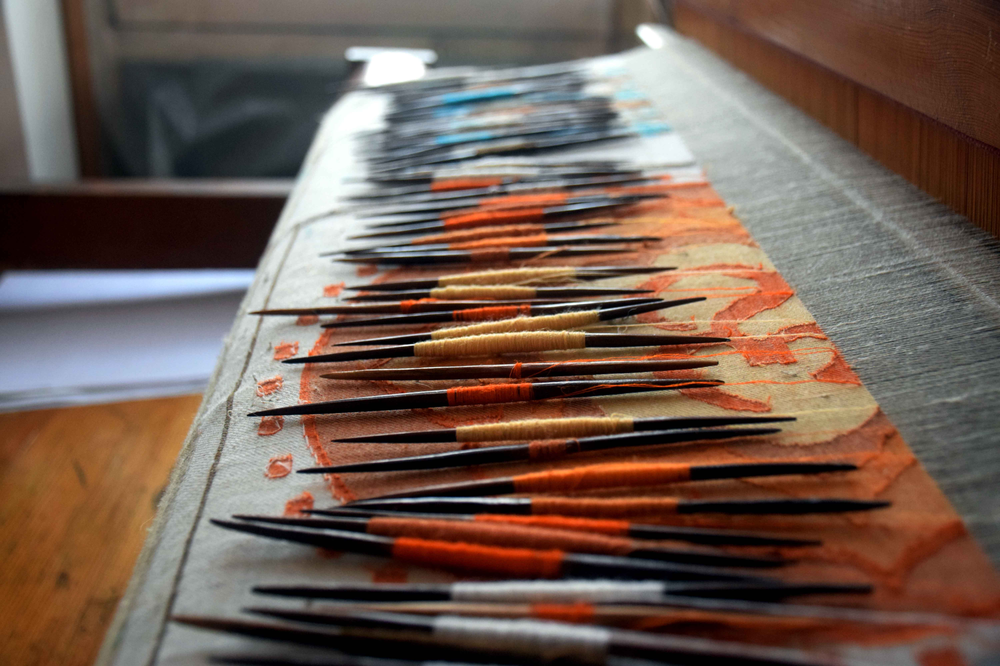
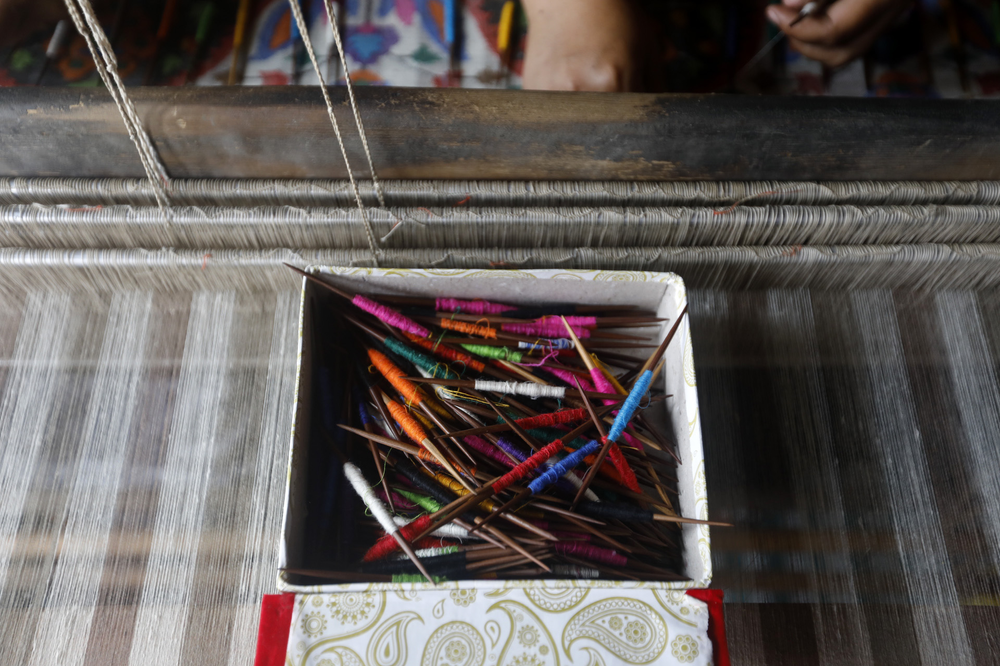
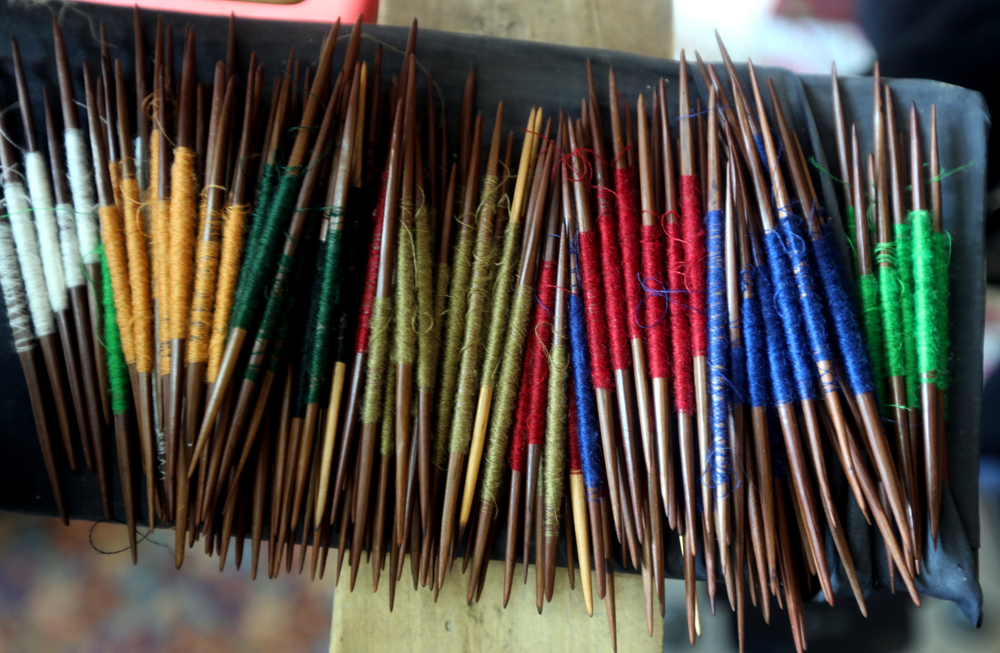
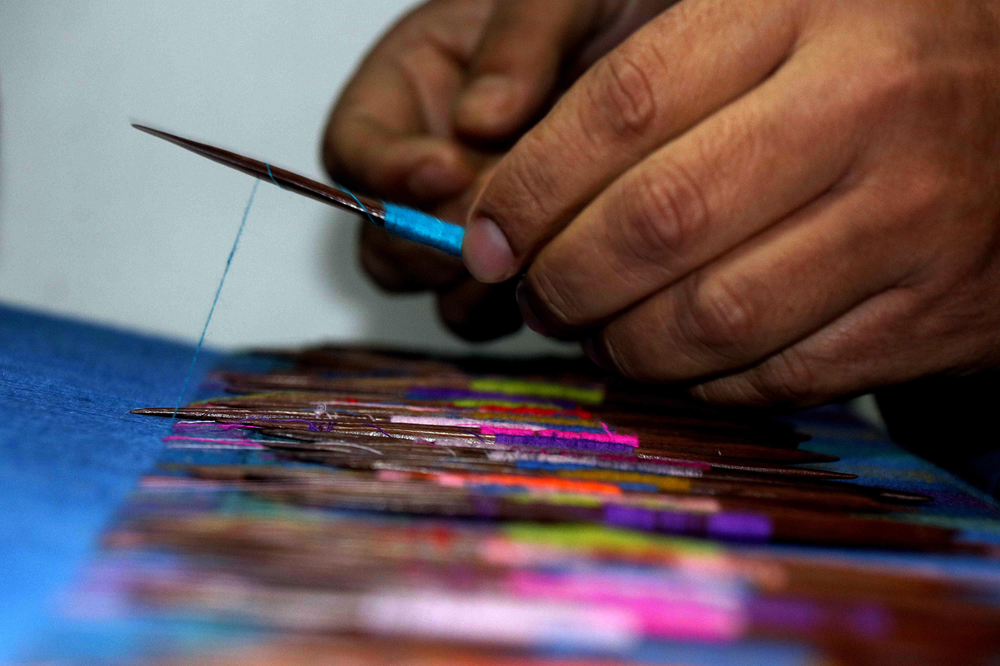
A Kani shawl is a type of Kashmir shawl originating from the Kanihama area of the Kashmir valley. The shawls are woven from pashmina yarn. The government of Jammu and Kashmir has granted a geographical indication to the Kani shawl, making it illegal to sell shawls made outside of the Kanihama area as Kani shawls. Kani weaving is believed to be an art indigenous to Kanihama and traced back to 3000 BC. This exquisite shawl was once coveted by Mughal Kings, Sikh Maharajas and British Aristocrats. The Ain-i-Akbari records that Emperor Akbar was an avid collector of Kani shawls. While the name ‘Kani’ comes from the area where this particular artisans come from, Kanihama, the word ‘Kani‘ (or tuji) – in Kashmiri – also means a small wooden oblong spool.
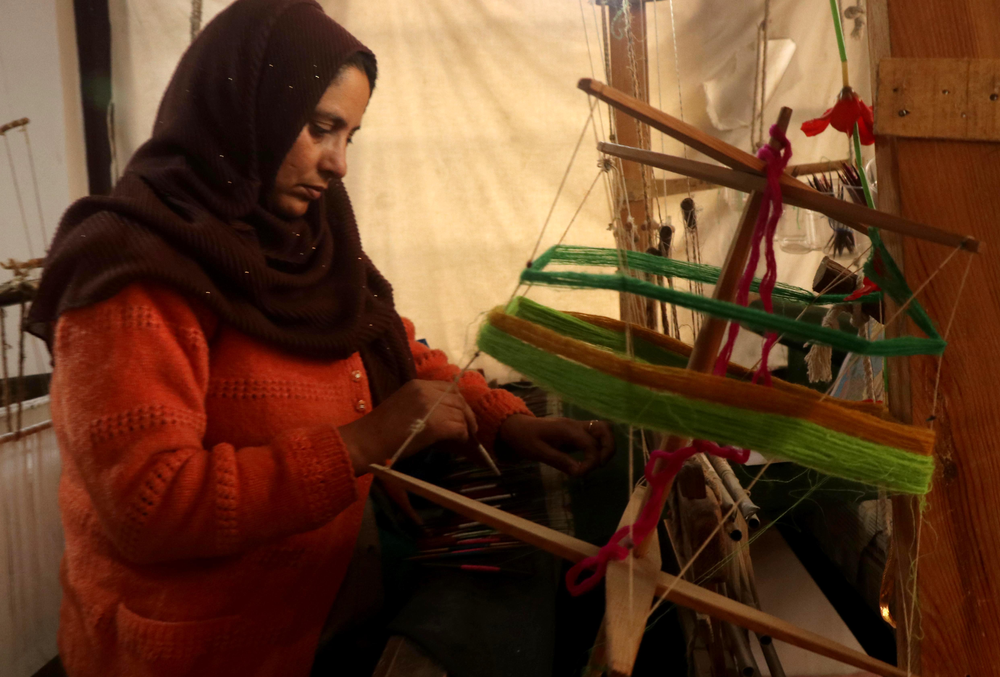
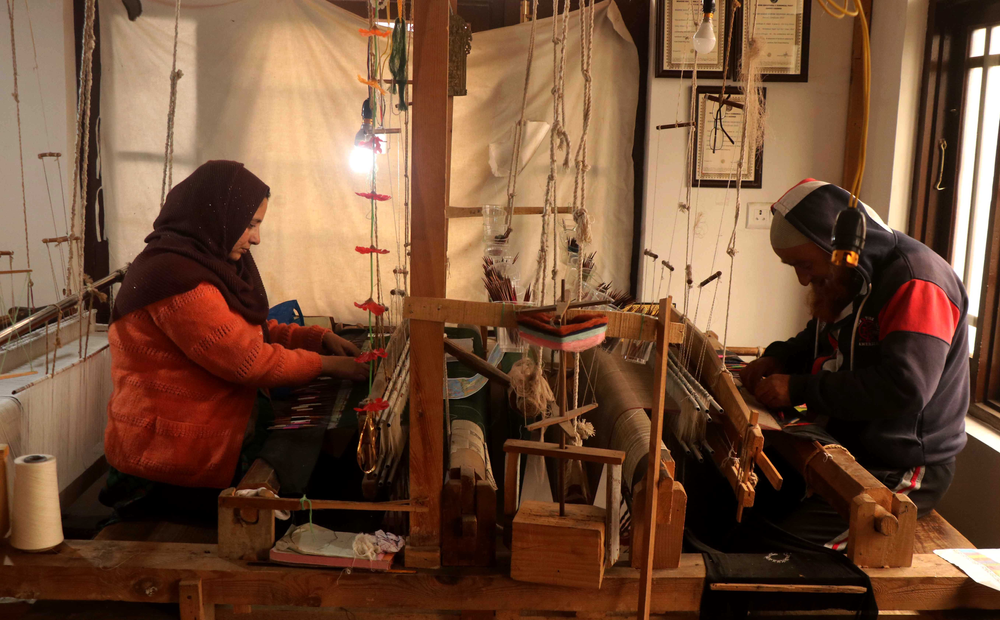
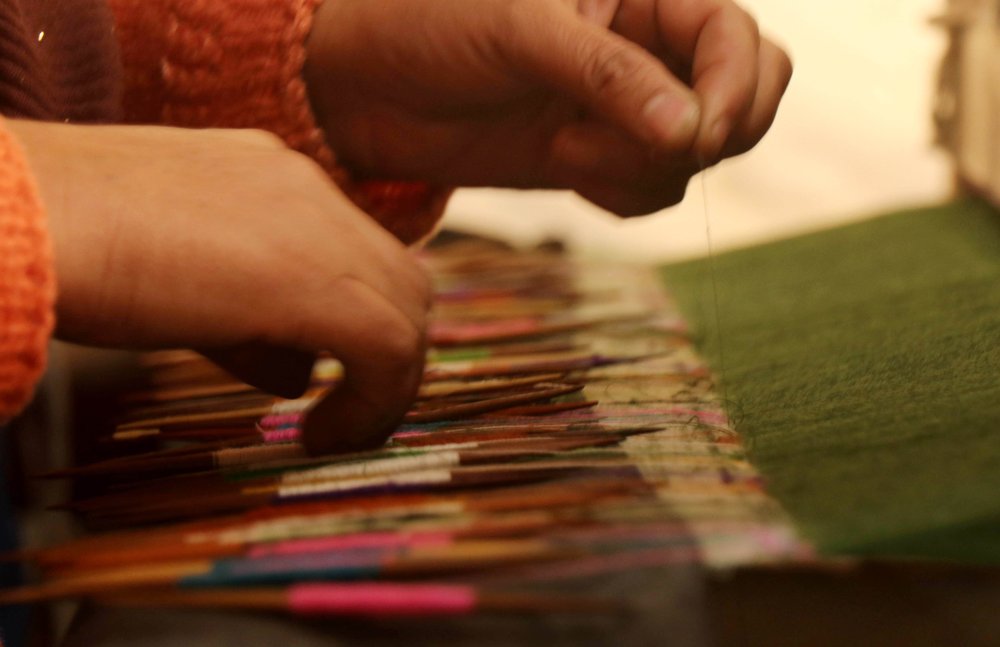
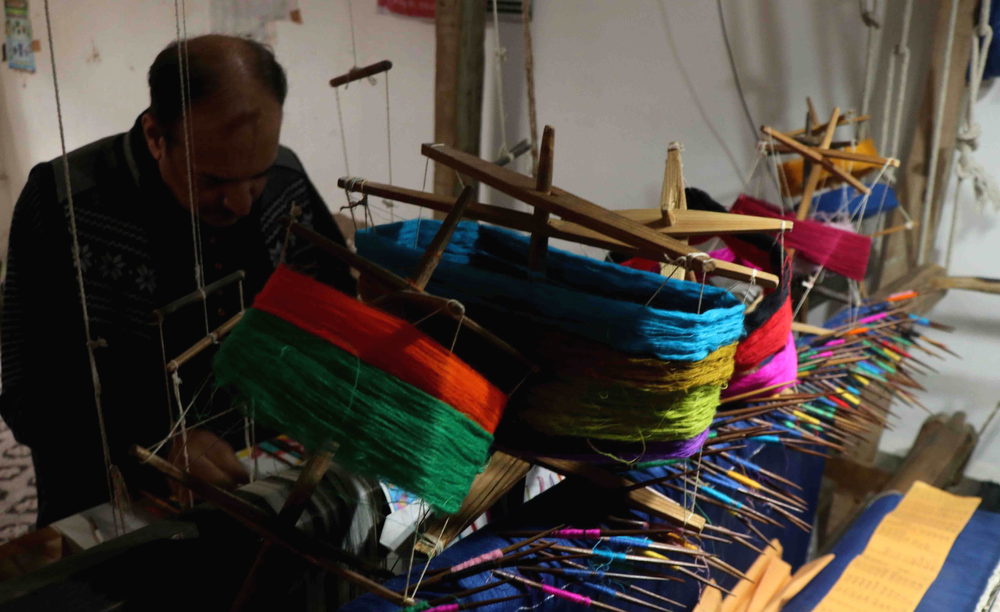
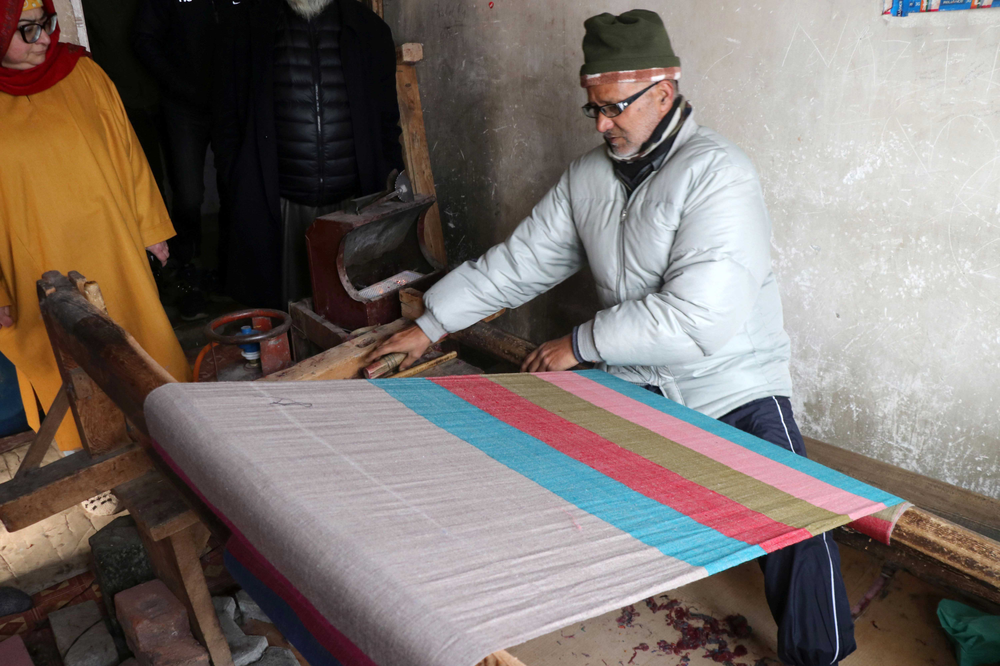
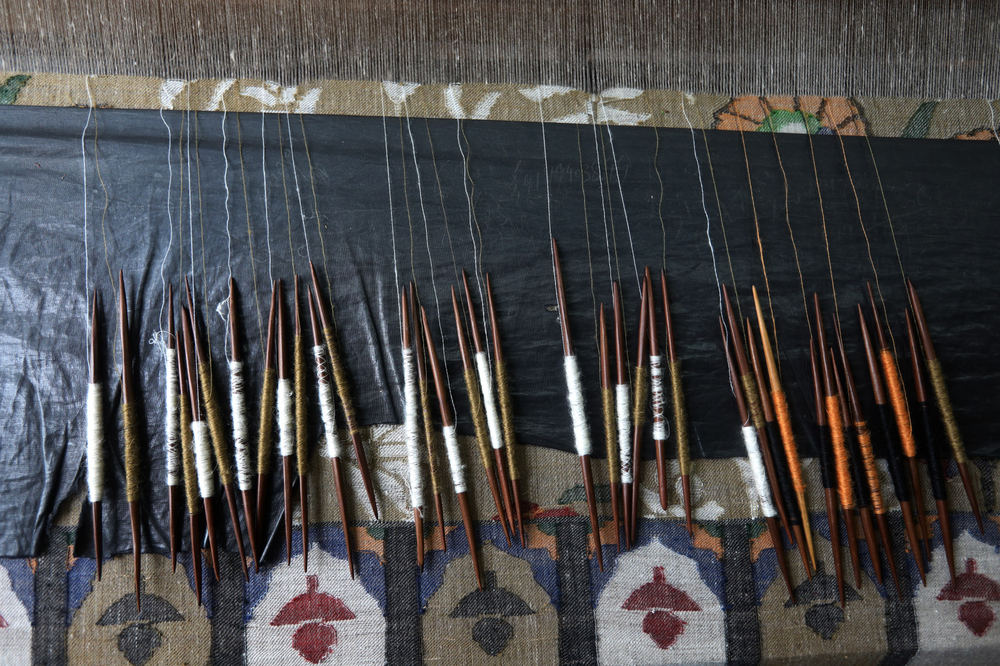
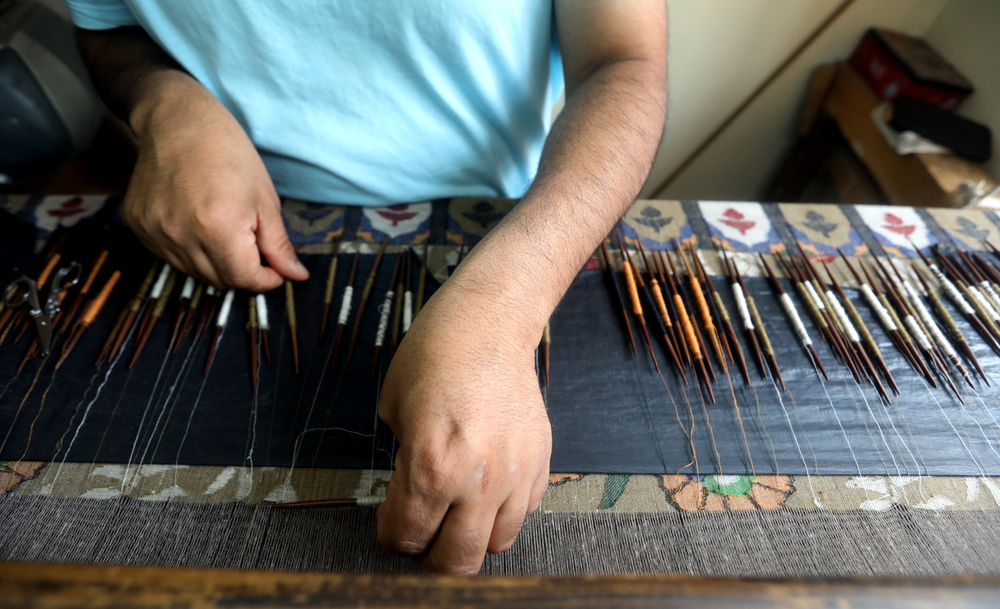
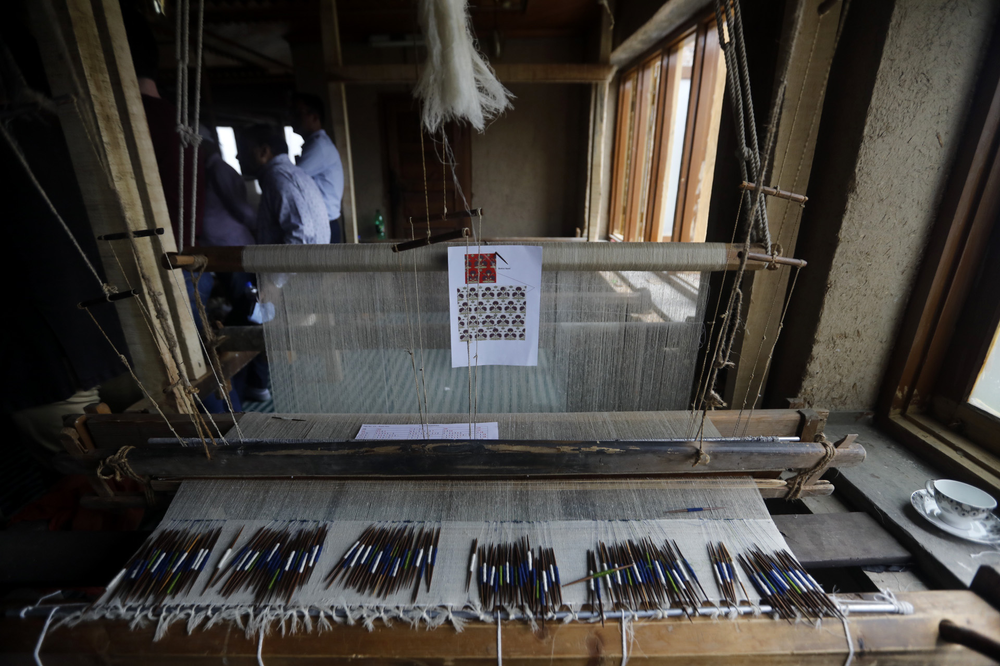
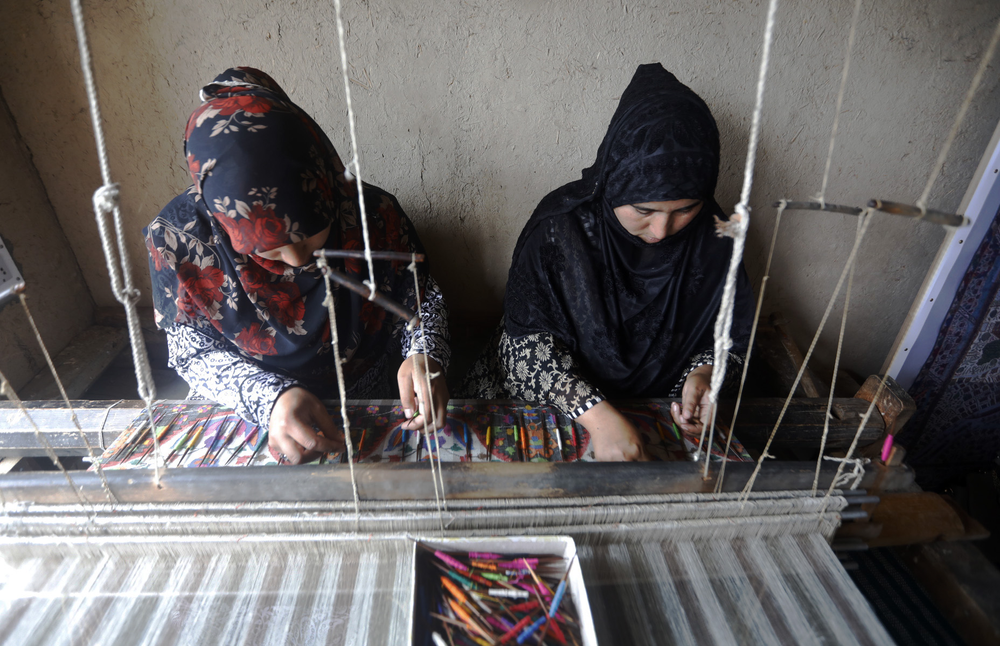
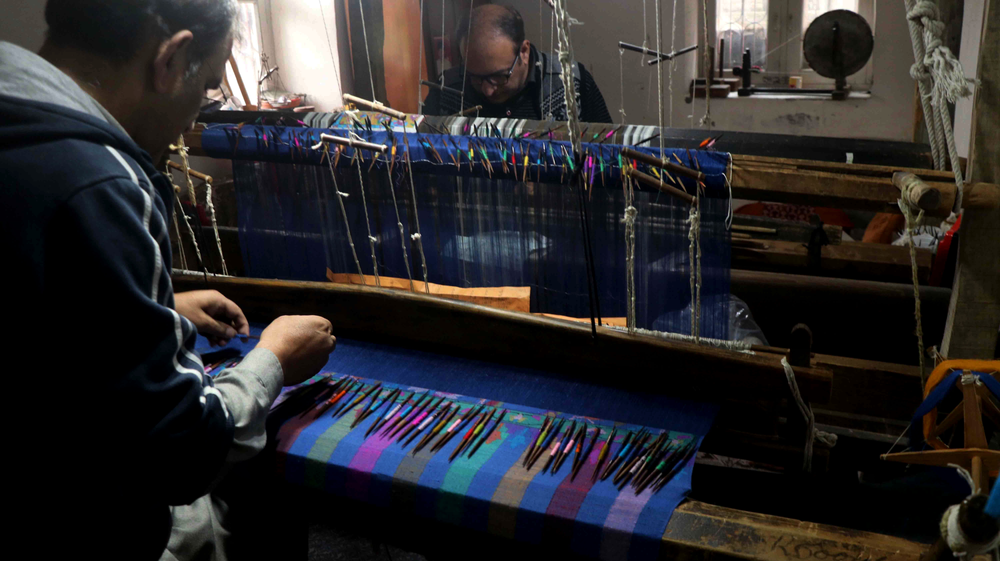
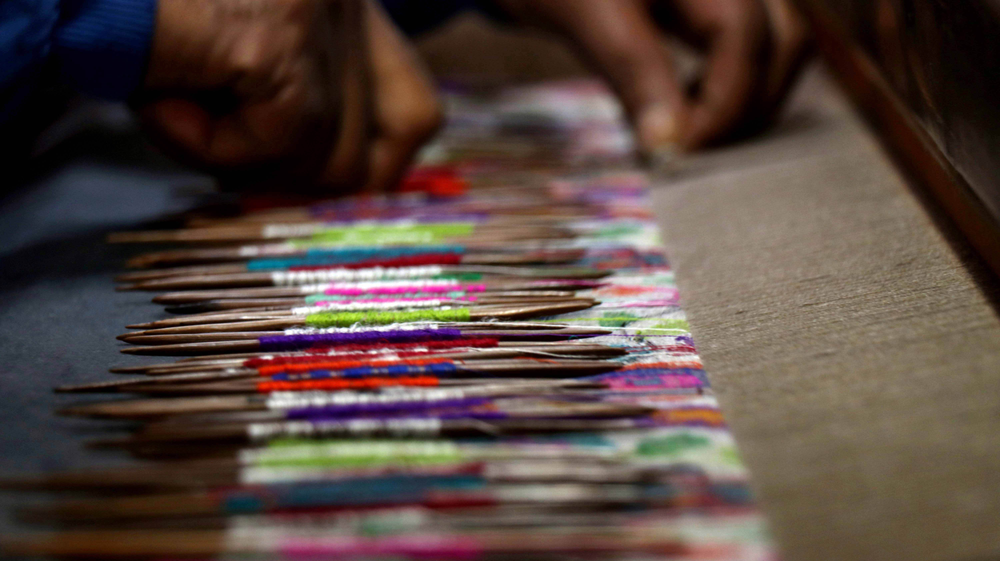
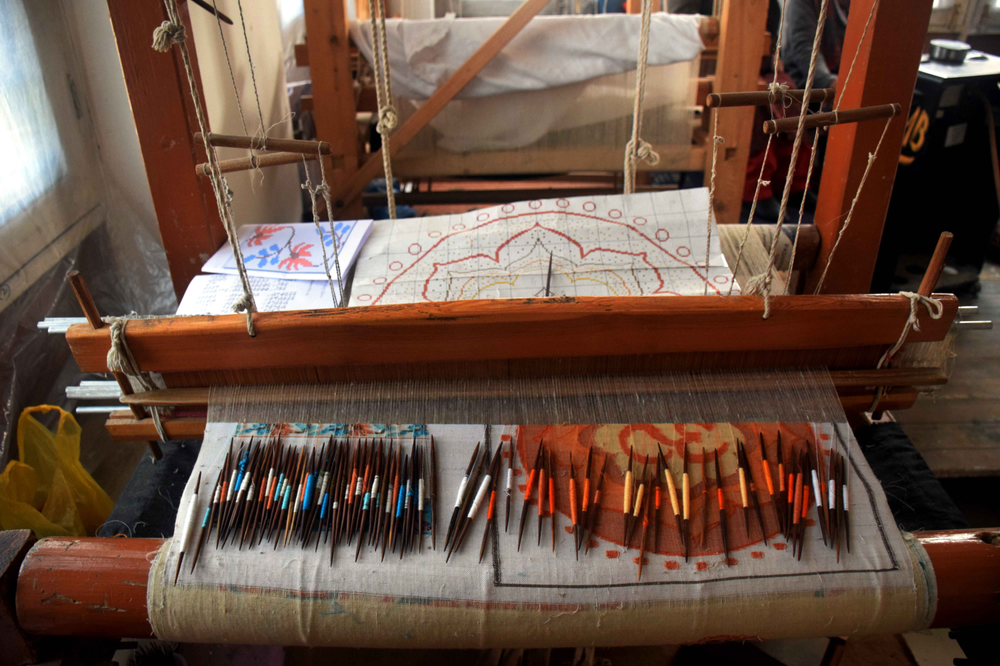
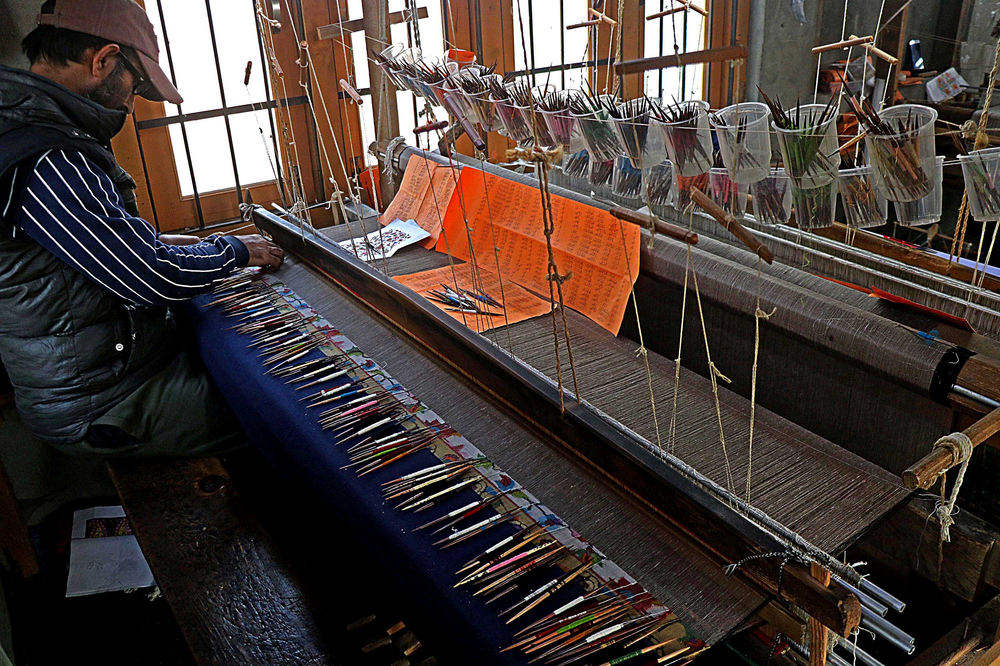
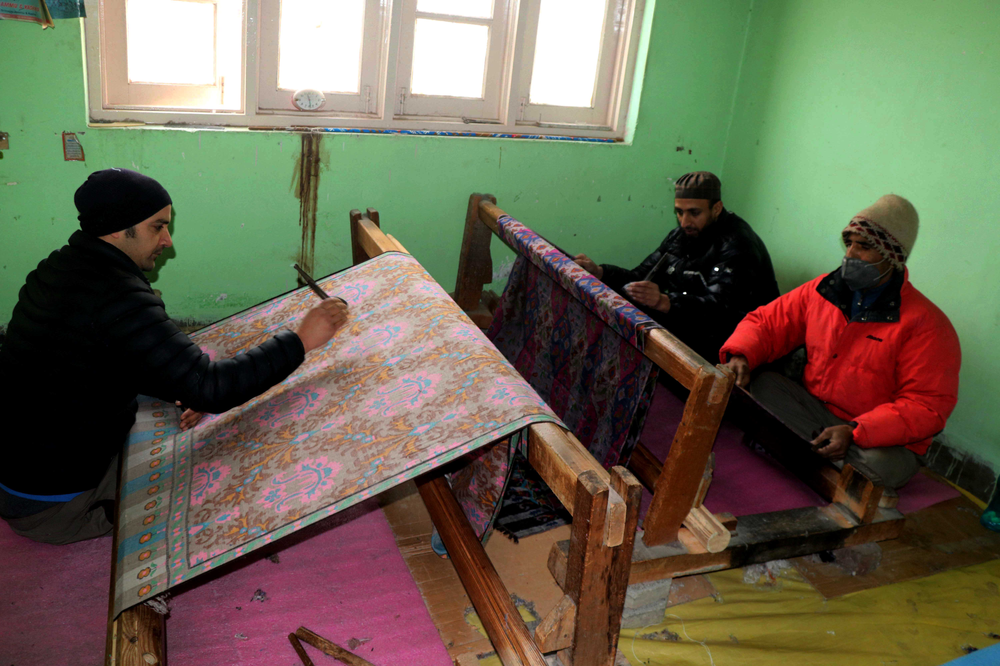
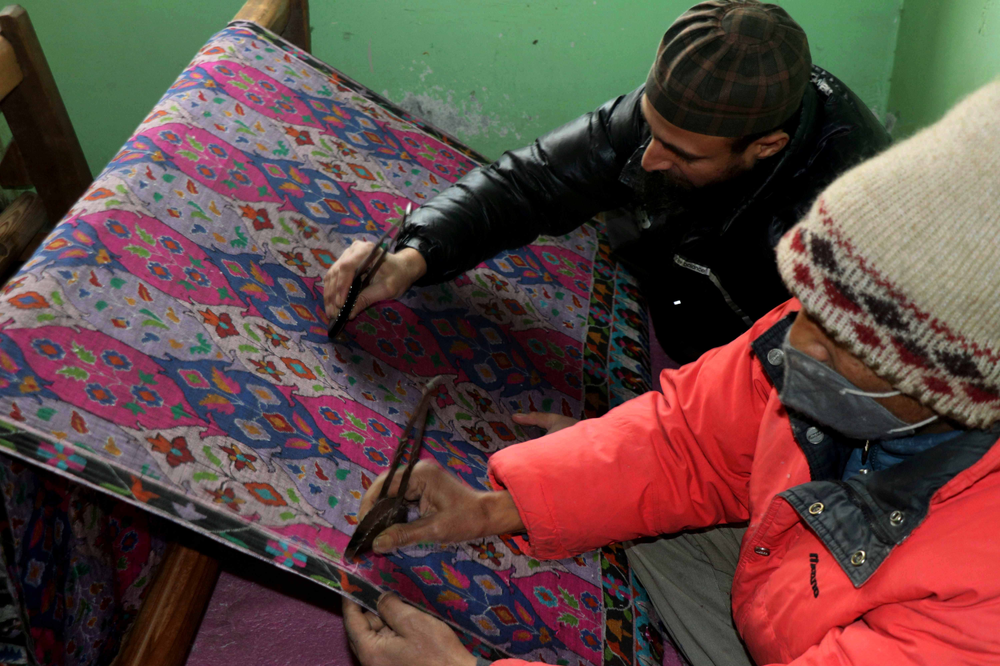
Kani shawl is made from pashmina on a handloom. But instead of a shuttle used in regular pashmina shawls, Kani shawls use needles made from cane or wood. The distinguishable, patterns, usually of flowers and leaves, are woven into the fabric like a carpet, thread by thread, based on the coded pattern called ‘Talim‘. The talim guides the weaver in number of warp threads to be covered in a particular colored-weft. Depending on the intricacy and complexity of the design being woven, an artisan can weave a maximum of few centimetres per day. Depending on the design, size and detailing, a Kani Shawl may take anything between 6 and 18 months to be completed. Kani Jamawar Shawl (entire base of the shawl is spanned with Kani patterns and motifs, and can take up to three years to complete), Palladaar Kani Pashmina (Kani is only weaved at the borders or Pallas), and Moon Shawl (Chand-Daar Shawls feature a full medallion design at the center. Along with that all four corners also have similar medallion designs) are the three types of Kani Shawls.

Leave a Reply