

Kashmiri papier-mâché is a handicraft of Kashmir based primarily on paper pulp, and is a richly decorated, colourful artifact; generally in the form of vases, bowls, or cups (with and without metal rims), boxes, trays, bases of lamps, and many other small objects. These are made in homes, and workshops, in Srinagar, and other parts of the Kashmir Valley, and are marketed primarily within India, although there is a significant international market. The product is protected under the Geographic Indication Act 1999 of Government of India, and was registered by the Controller General of Patents Designs and Trademarks during the period from April 2011 to March 2012 under the title “Kashmir Paper Machie”.
It is believed that the papier-mâché technique of using paper pulp for making decorative objects was first adopted in Kashmir in the 15th century by King Zain-ul-Abidin.
Earlier to this period the practice was to draw colourful paintings on wood on household furniture such as ceilings, bedsteads, doors and windows, palanquins and so forth. Internally this art form was called, kar-i-qulamdan as it was made as pen holders and a few other personal trinkets. Another term used for the art was kar-i-munaqqash as it was crafted on smoothly finished surfaces created using paper pulp or on layers of polished paper. Even treated and stretched skin was used for the purpose. Starting with decorating jackets of books, the art covered many items of that period such as tables, table ware, bangles, lamp stands, cups, plaques, panels, screens and cabinets.
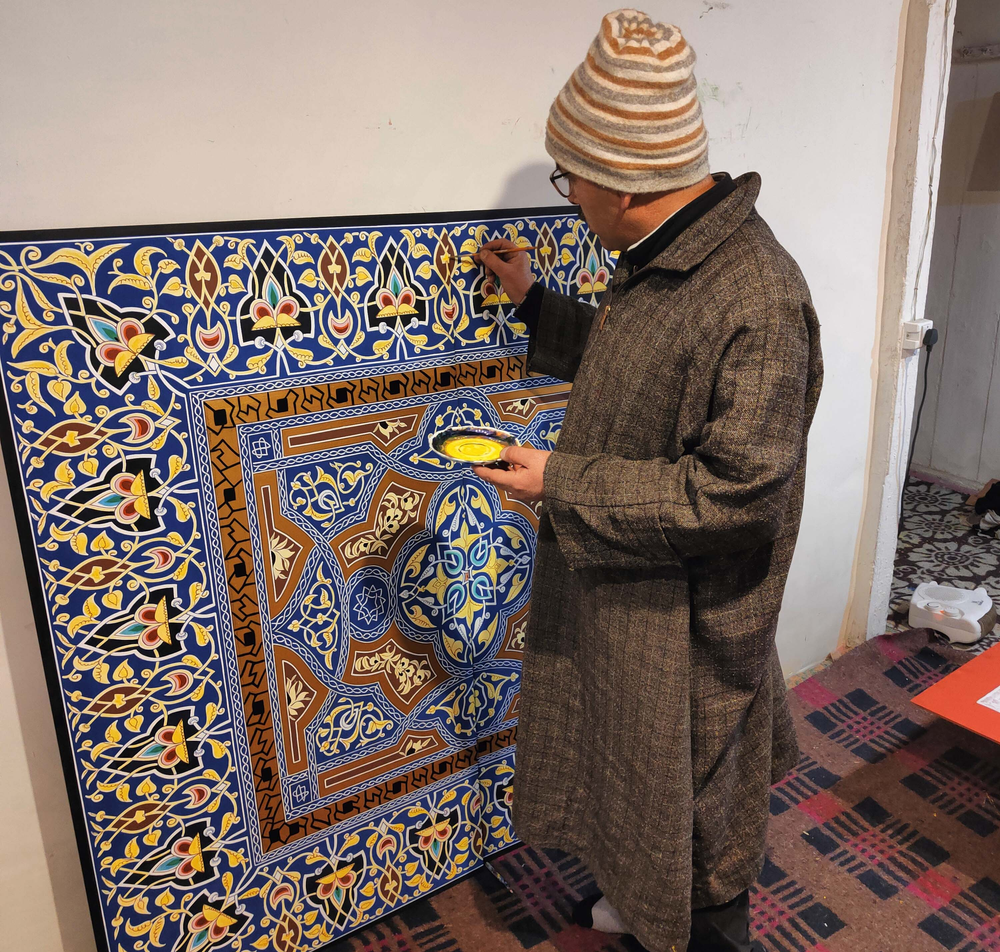
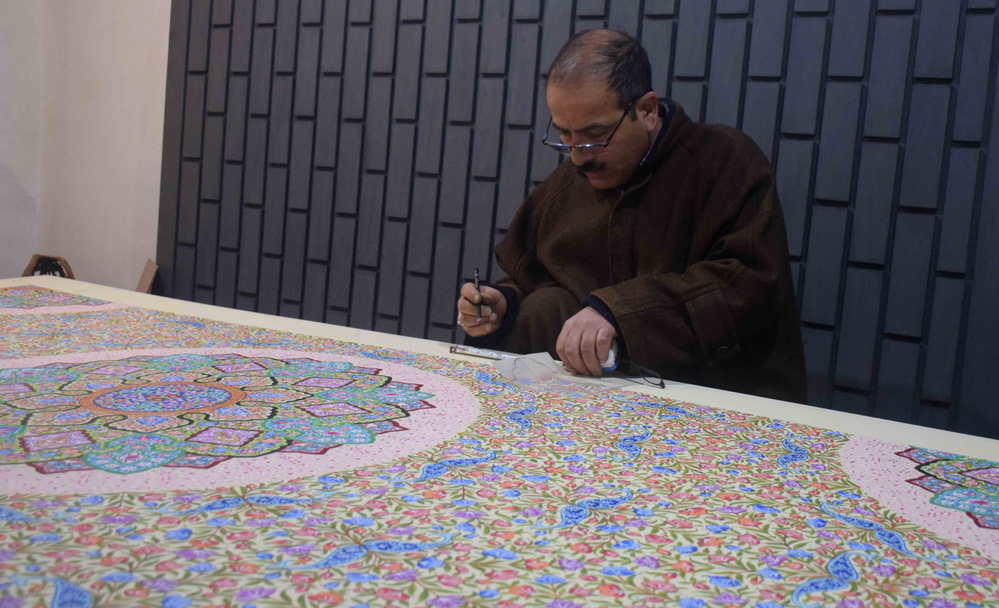
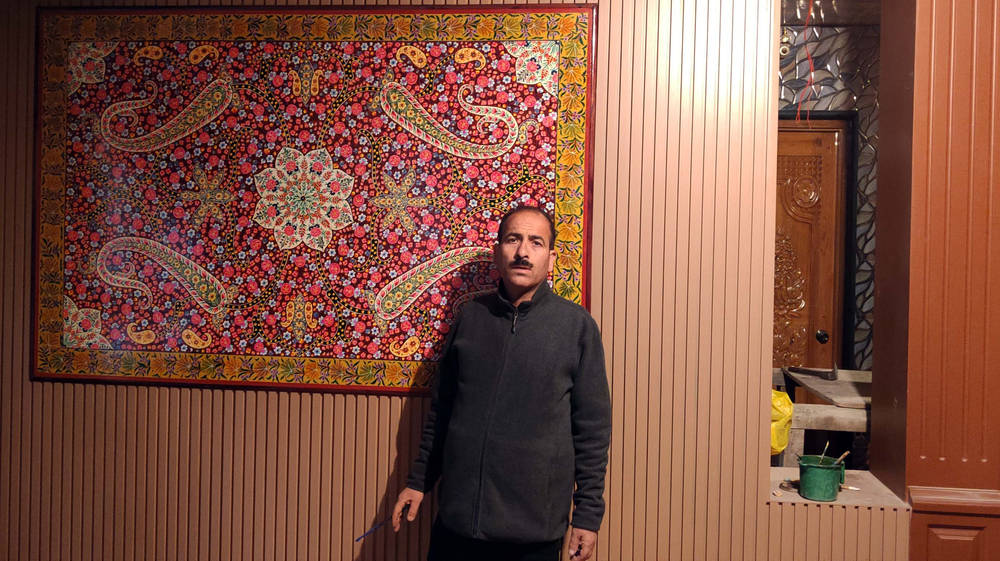
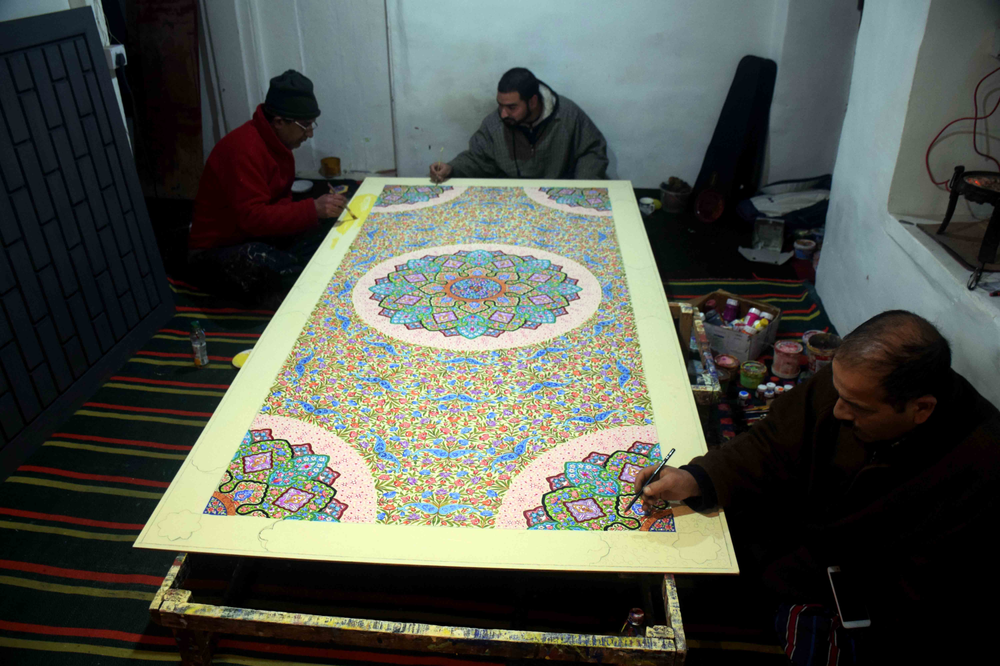
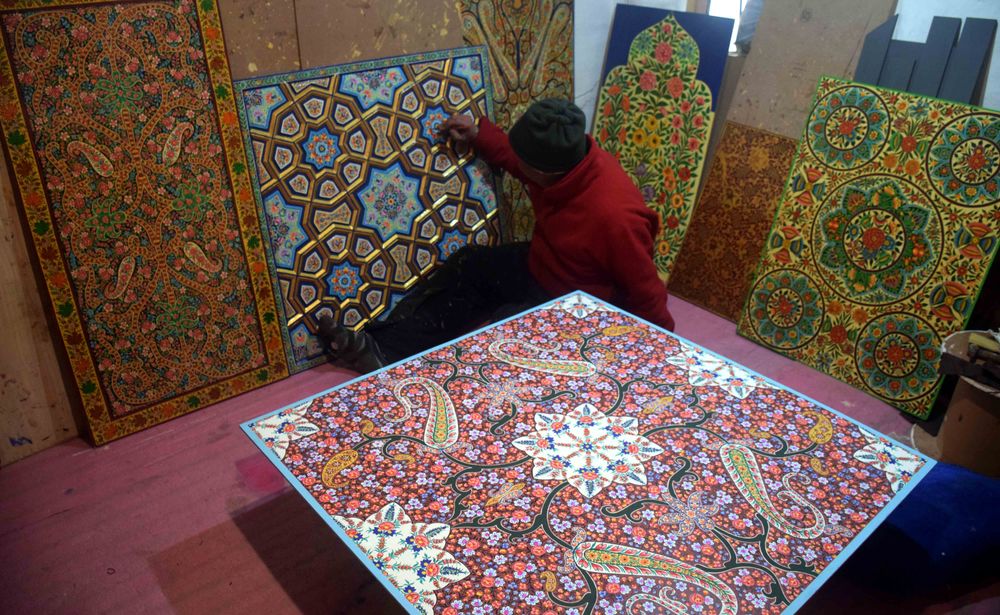
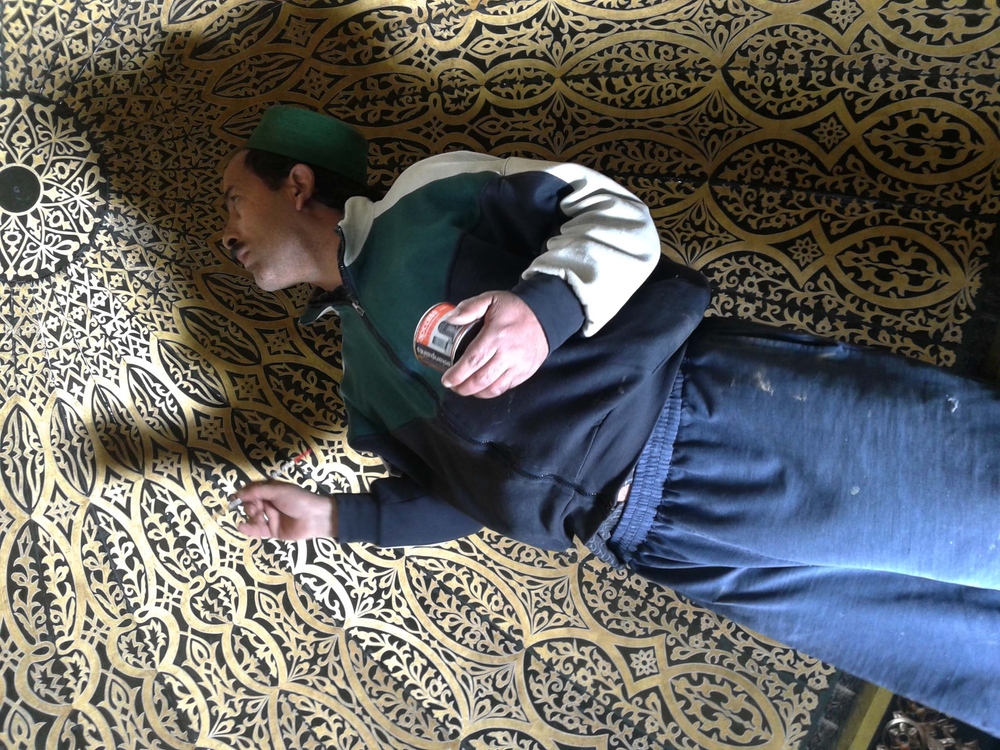
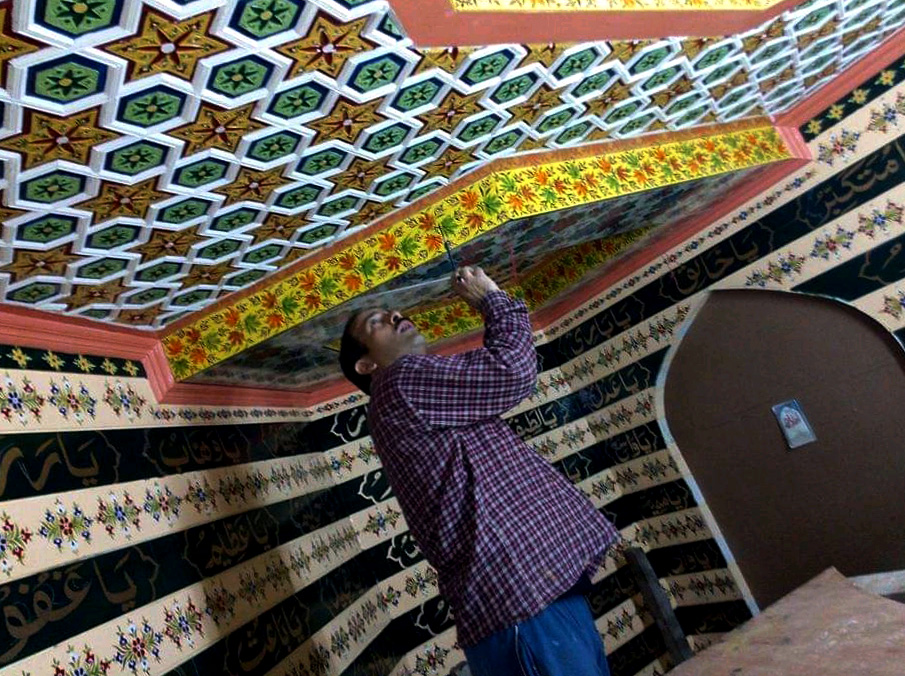
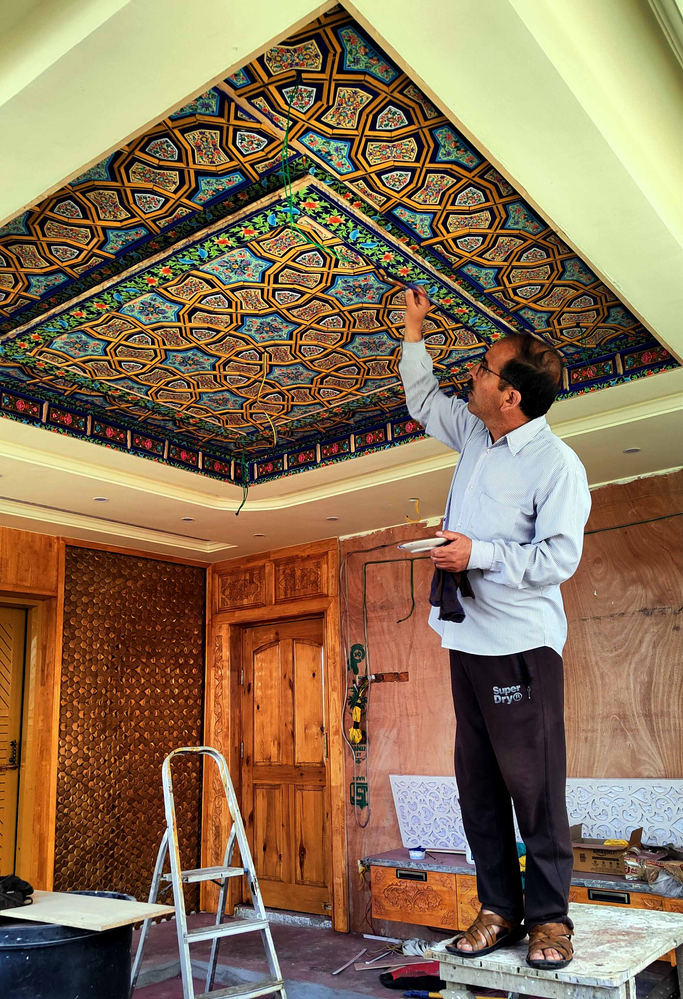
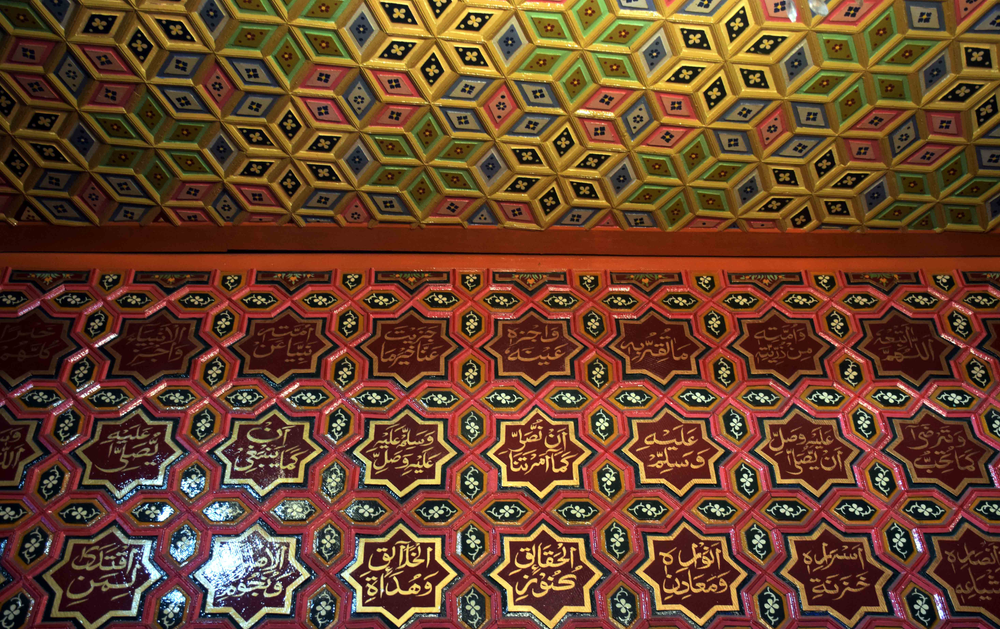
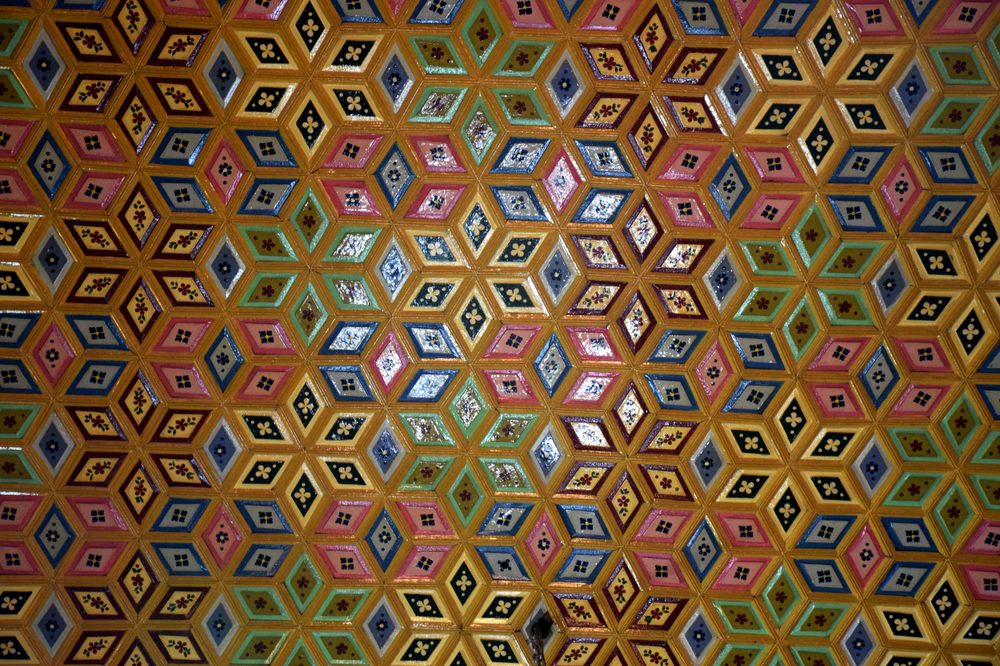
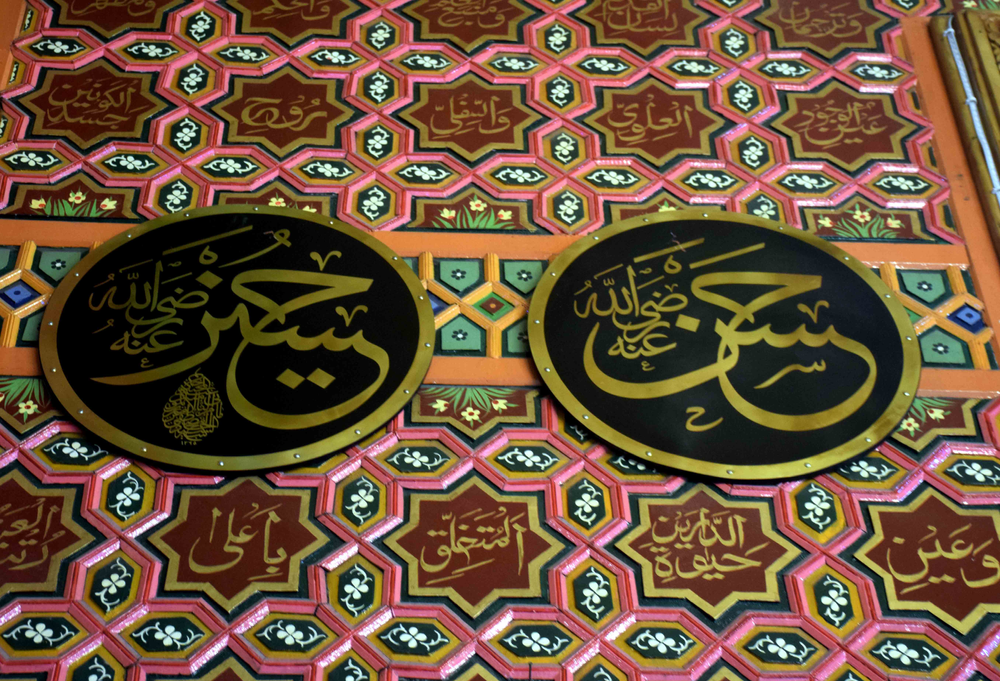
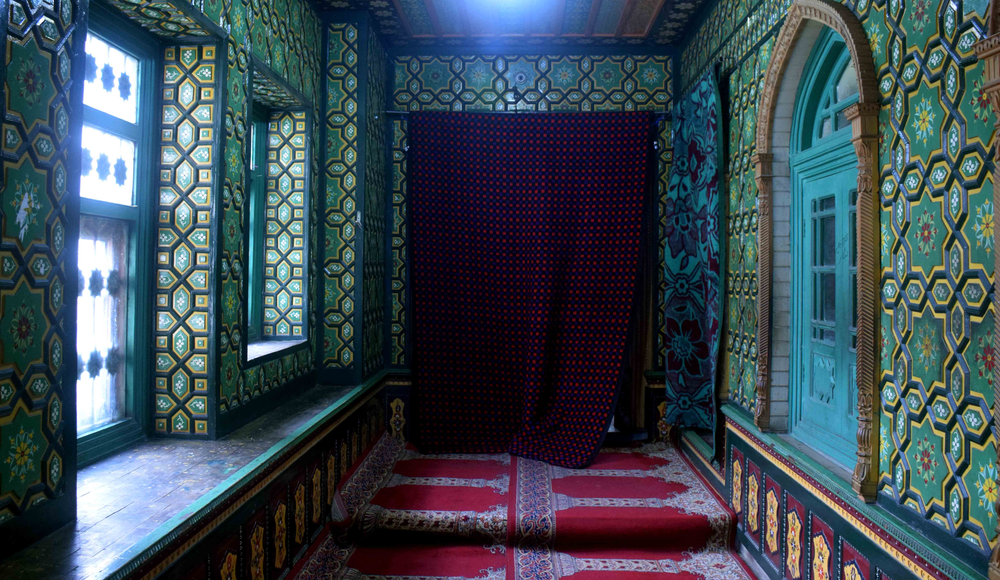
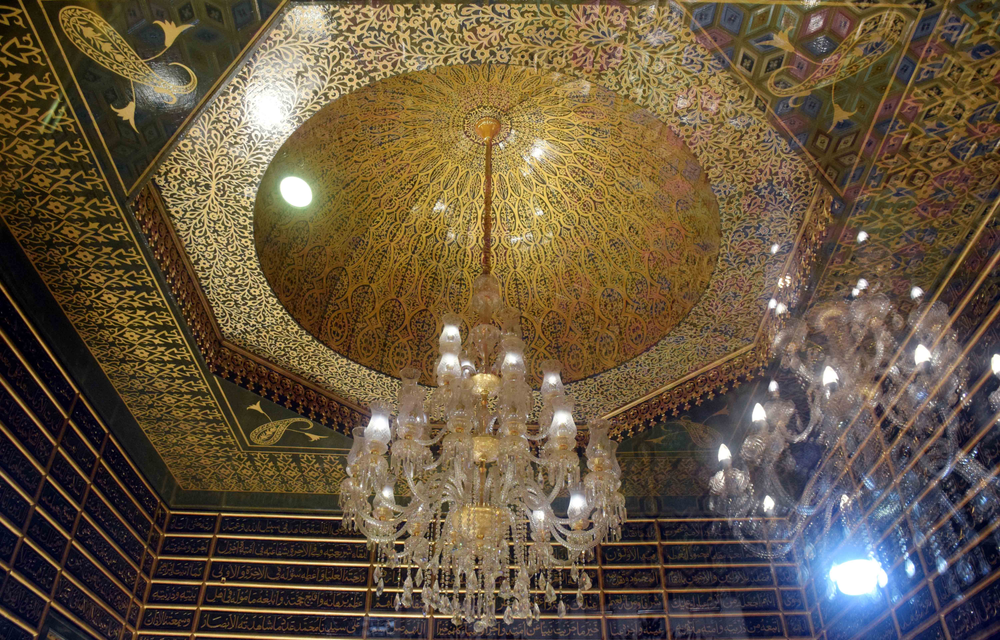
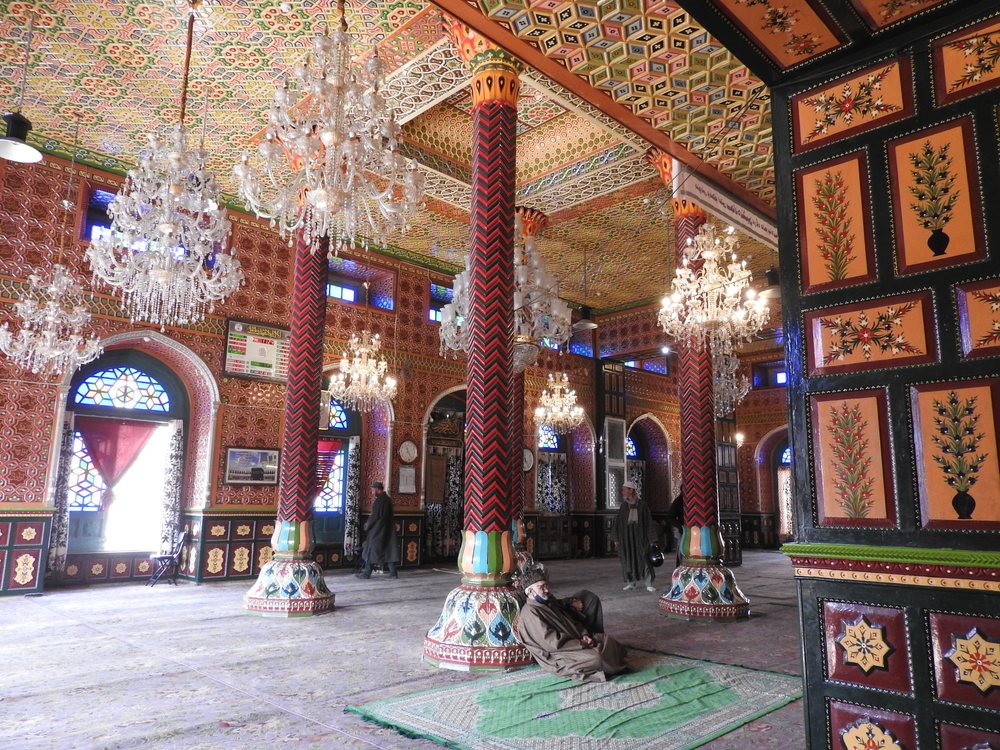
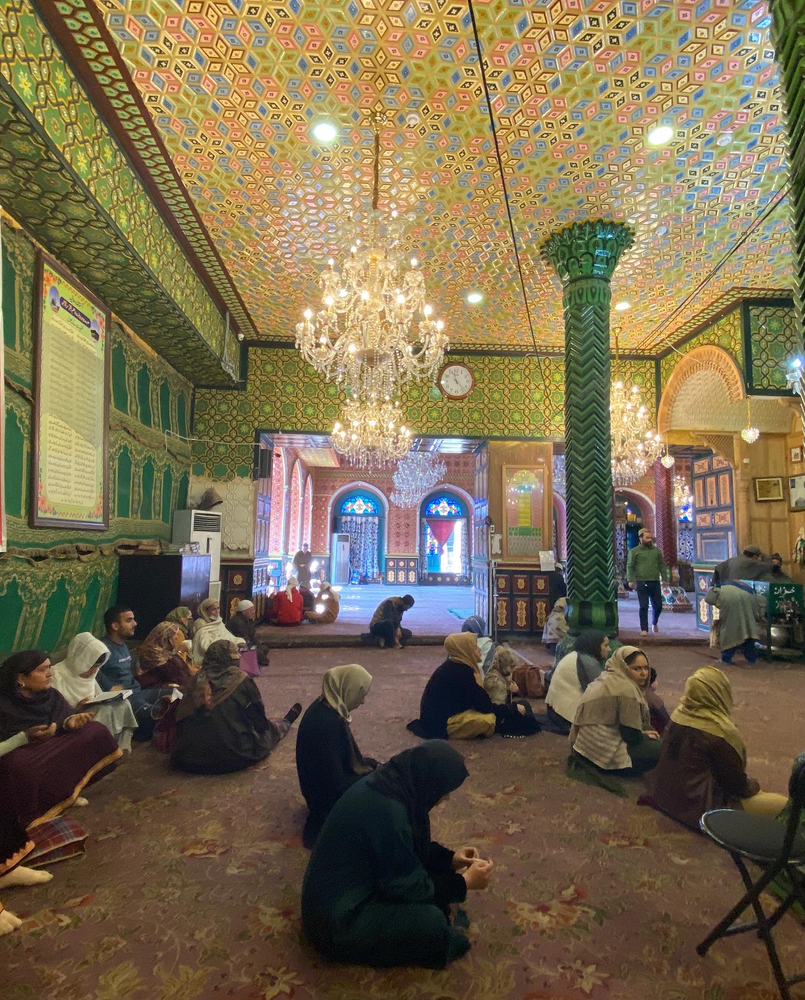
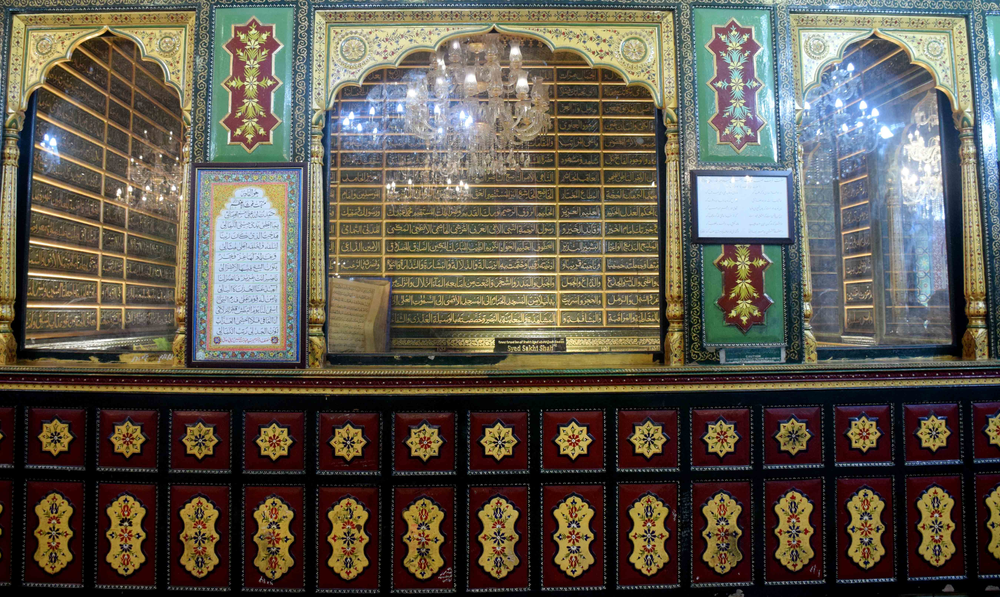
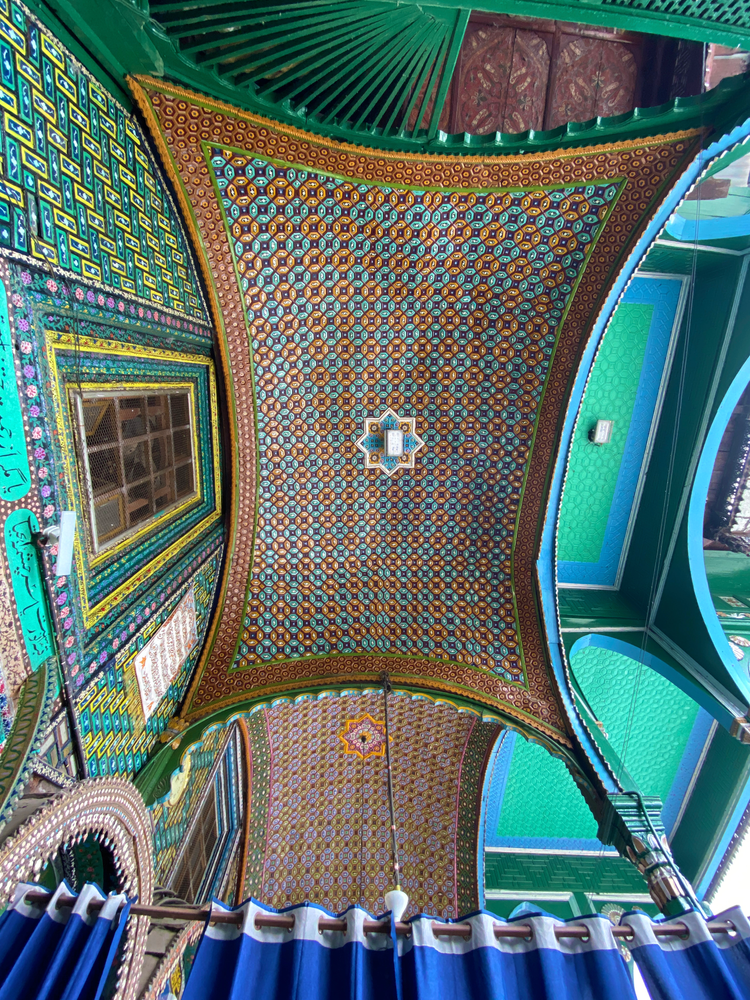
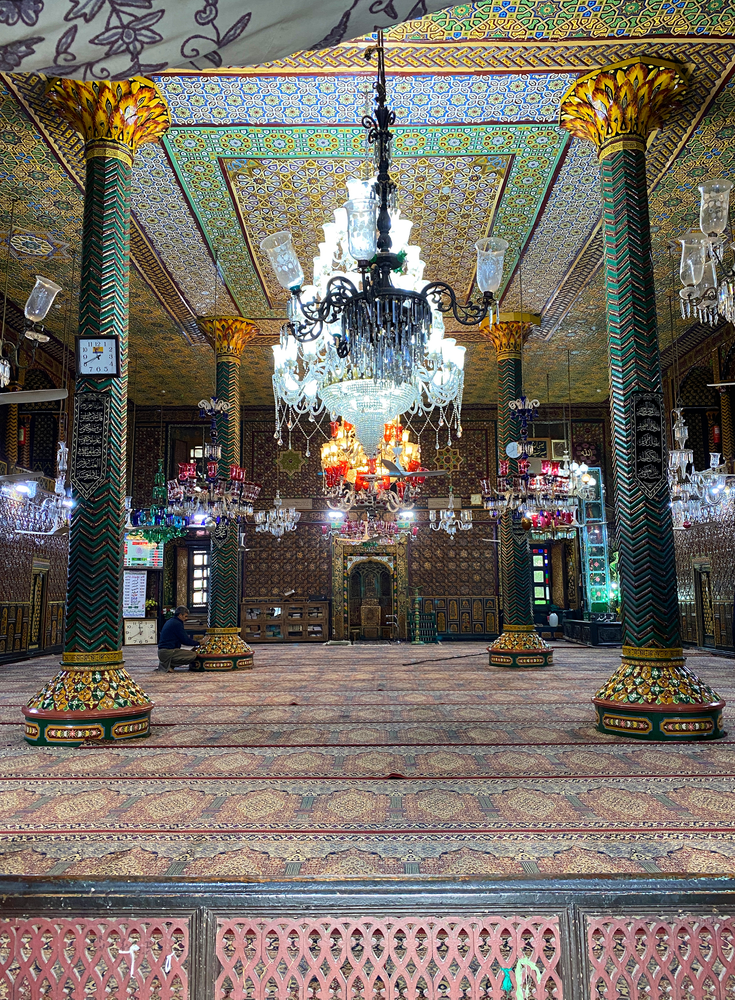
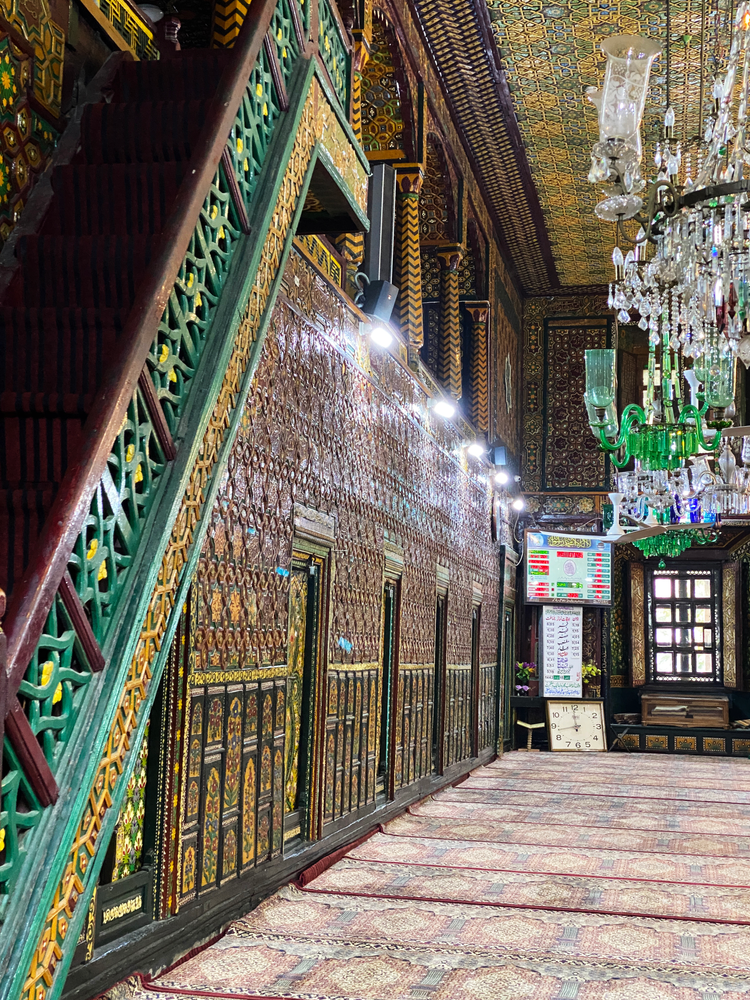
During the Mughal era, its use was extended to include many items of home furniture that were made in Kashmir. Many notable objects of this type are exhibited in museums in many parts of the world. The basic method followed was to apply the papier-mâché on wood work, and one such work can be seen in Kashmir at the Madin Sahib Mosque built in 1444, the ceiling of the Shah Hamdan Mosque, Dastgeer Sahib and the Shalimar Garden in Srinagar. This tradition of using papier-mâché or pulp on wood work to be colourfully painted with different designs has seen a revival, specially on panels used in building interiors. Some of the older designs involved intricate painting of kingfishers, maple leaves and other designs, such as “Arabesque”, “Yarkand” and “Hazara”. The credit for keeping the papier mache technique alive goes to the Shia community of Kashmir. The art got a major boost from the government in 2016, when the Nawakadal girls’ college in Srinagar introduced it in the craft curriculum.
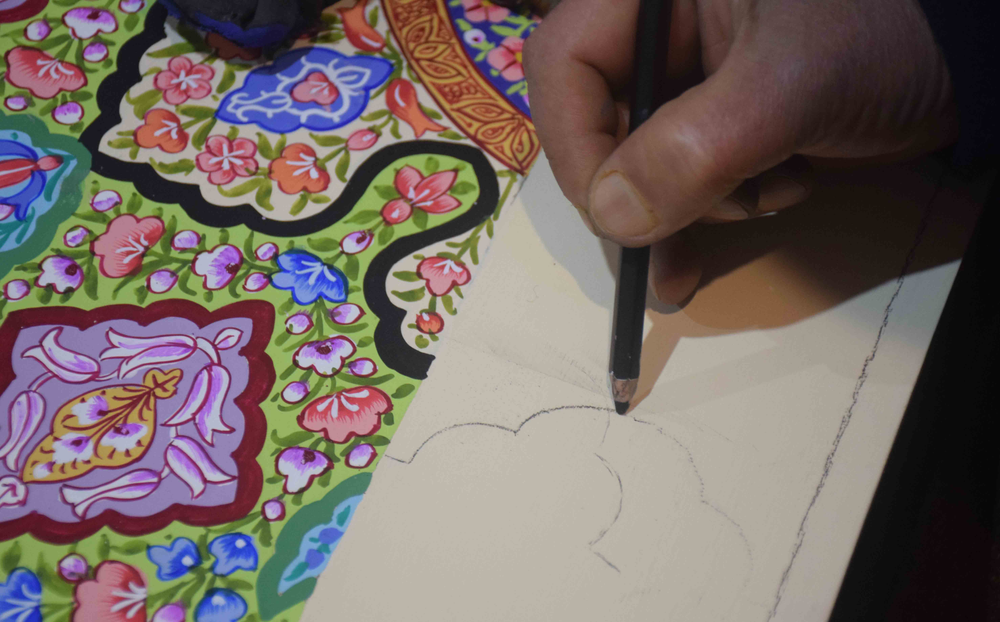
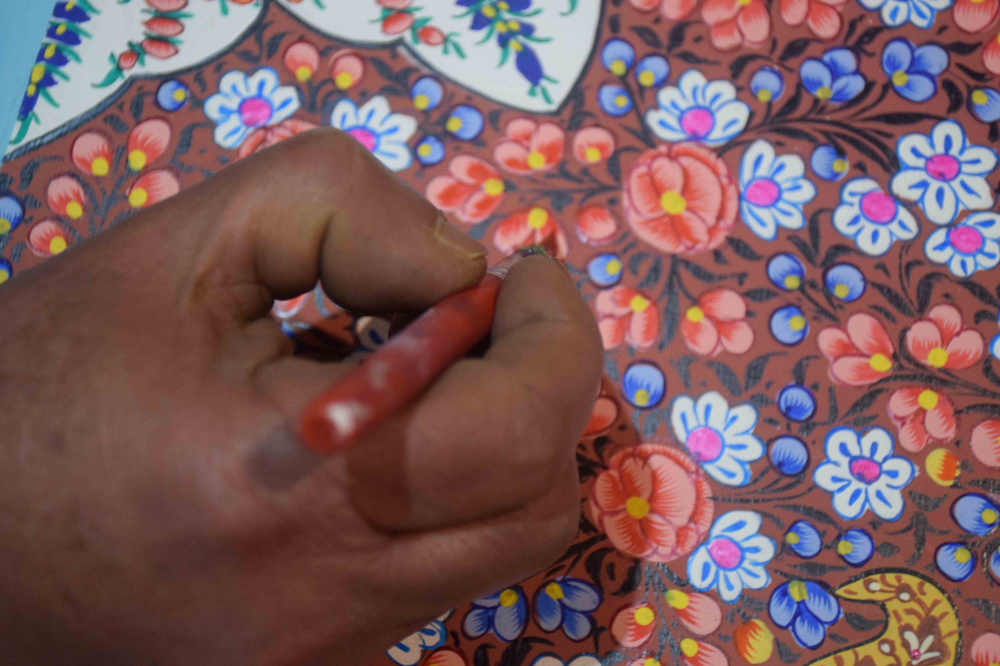
Distemper colours made with pigments and glue are used to paint the artwork with various designs. The brushes used for the painting are made of hair of goat, cat or donkey. The practice was to use “craft mineral, organic and vegetable colours.”
Artist Hakeem Manzoor, of Ganaie Doori, Alamgari Bazaar, has perfected the paper machie craft by mixing two art forms, that is of the intricacy of a Kani shawl and the papier mache technique. Originally used in shrines, the technique is now becoming popular in residential interiors too.
#papiermache #kashmircraft #artisans #craftsmen #artsandcrafts





Leave a Reply