

Papier-mâché is the French word for “chewed paper”, which is a standard English loan word, for objects made by moulding paper pulp in various shapes and then decorating them with designs in various colours. In the figurative sense the word ‘papier-mâché’ has come to be identified as the art of Kashmir. It is based primarily on paper pulp, and is a richly decorated, colourful artifact; generally in the form of vases, bowls, or cups (with and without metal rims), boxes, trays, bases of lamps, and many other small objects. These are made in homes, and workshops, in Srinagar, and other parts of the Kashmir Valley. The product is protected under the Geographic Indication Act 1999 of Government of India, and was registered by the Controller General of Patents Designs and Trademarks during the period from April 2011 to March 2012 under the title “Kashmir Papier Mache”
Papier Mache technique is also applied on Pashmina shawls. Paper Mache work is done on the base of pashmina, which is then hand embroidered. The kalamkari shawls involve the art of painting (kalam) on shawls. The patterns are then embroidered, usually using sozni embroidery.
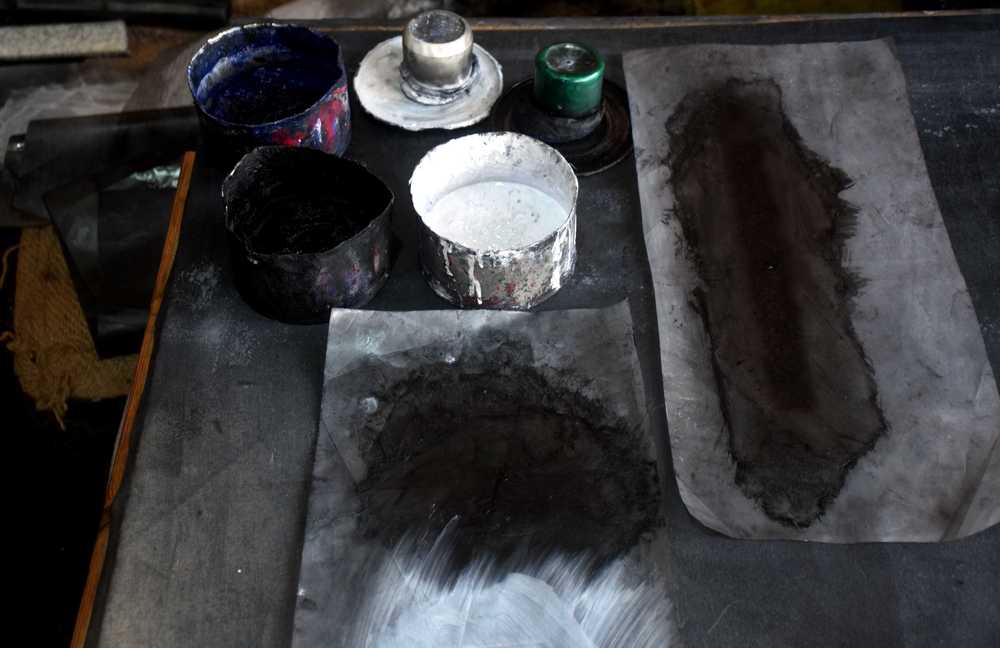
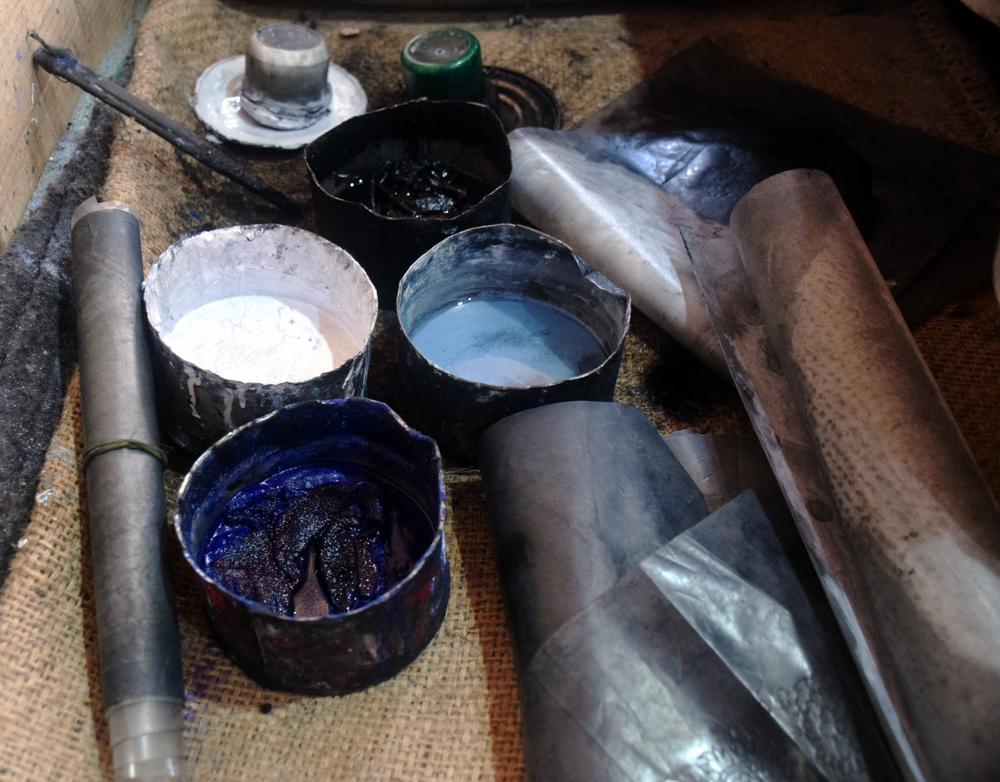
Stamping the shawl: An expert craftsman carefully places the chosen block dipped in ink over the shawl on the desired place. When the shawl reaches the Naqash, it is first covered with thin sheets of butter paper. The butter paper is pasted so that it acts as a barrier between the shawl and the hand paintwork. Embroidering the shawl: This imprinted shawl is sent to embroidery experts who choose multi coloured satin threads for a brighter effect. When a motif is completed, it is outlined with another thread so as to make it appear more prominent. Most of this work is done at Bun Makhama in Beerwah Budgam.




Leave a Reply