Art apart, the metal, particularly brass, has remained the most important utility object in India since time immemorial. The use of brass was, thus, apparently considerable. According to J.L. Kipling, Principal, Mayo School of Art, Lahore; 65,468 maunds of brass was imported into Punjab in 1882-83. Rewari, Jagadhri, Amritsar, Jandiala, Phagwara, Gujranwala, Pindi Dadan Khan and Kangra were popular for articles made from brass. Rewari was famous for making bells, particularly the large globular cart-bell, like an exaggerated hawk-bell, called zang that gave a loud and shrill sound.
Maharaja Ranjit Singh is said to have brought metal craftsmen from Kashmir to Jandiala Guru to train the locals in the art of making brass and copper utensils.
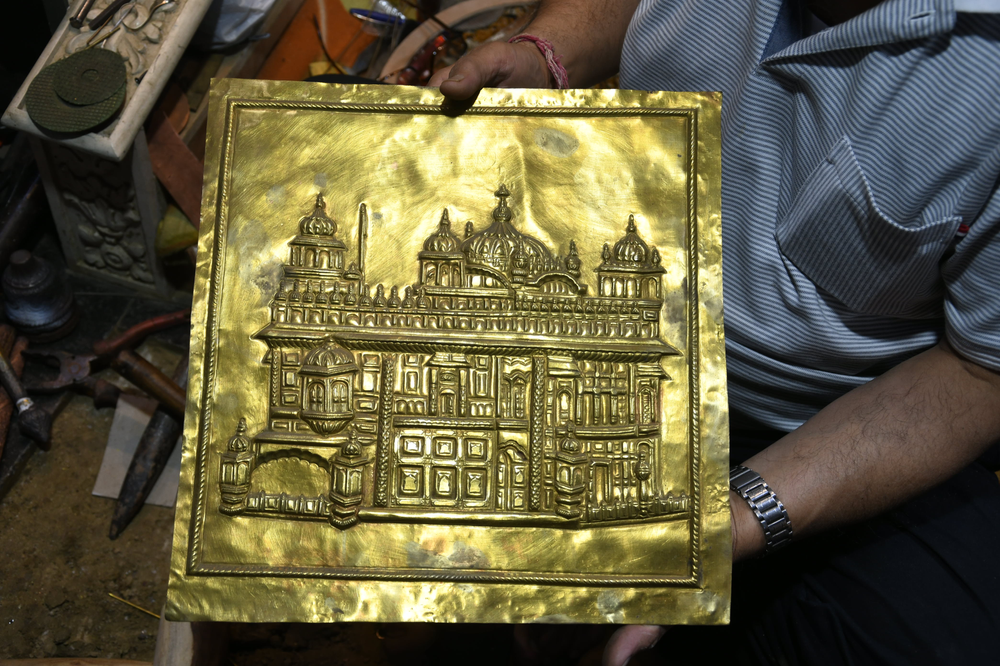
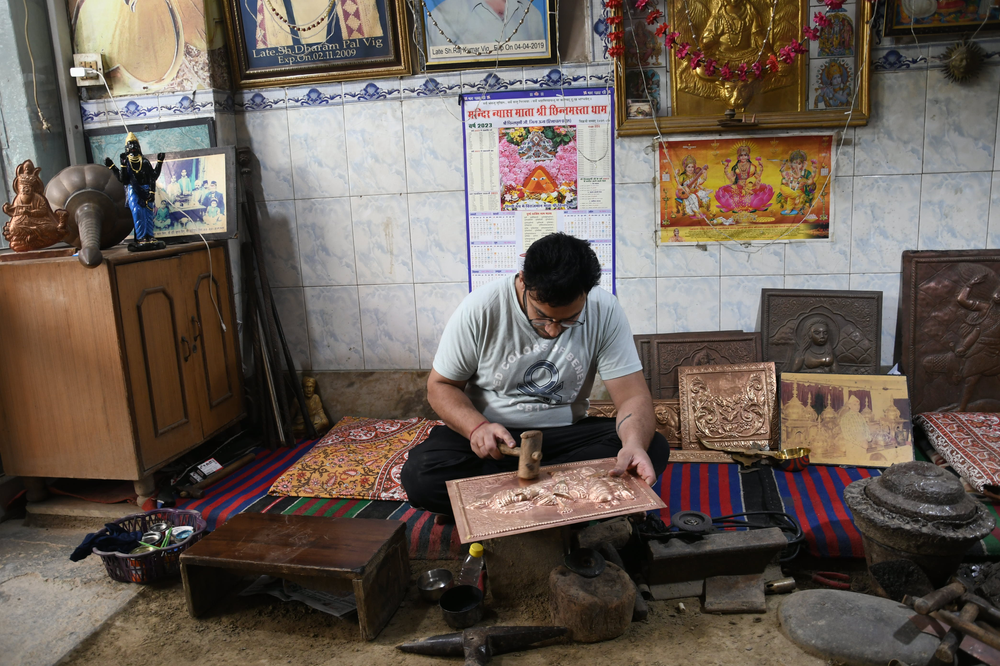
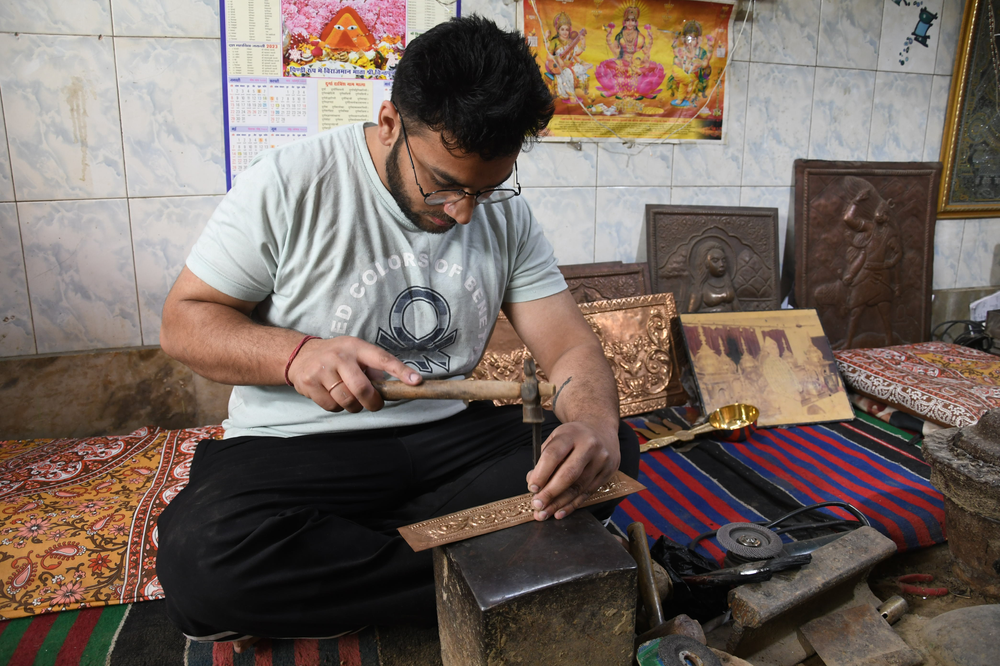
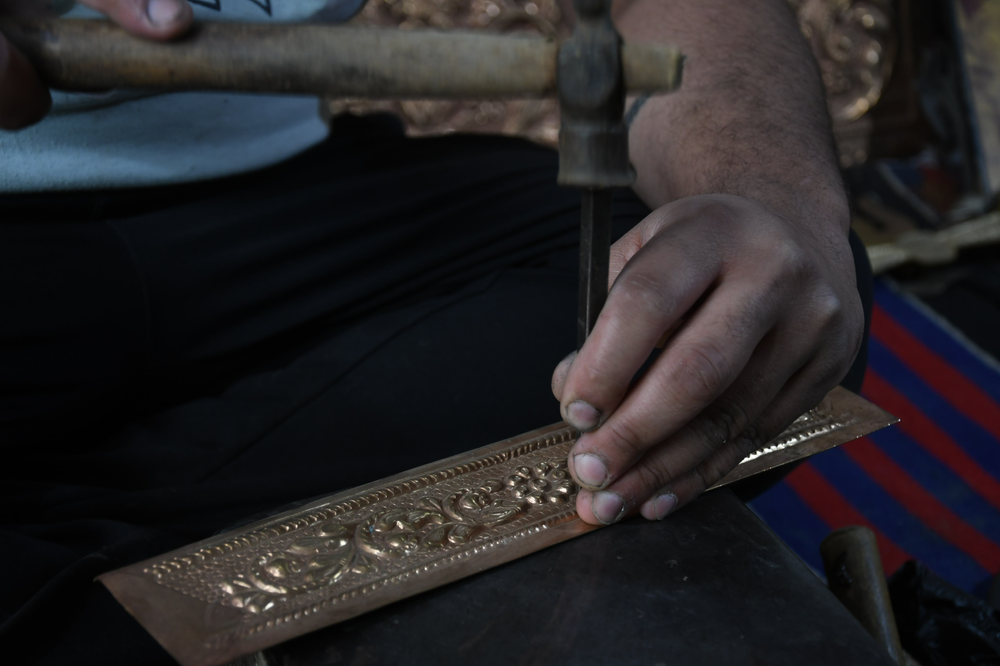
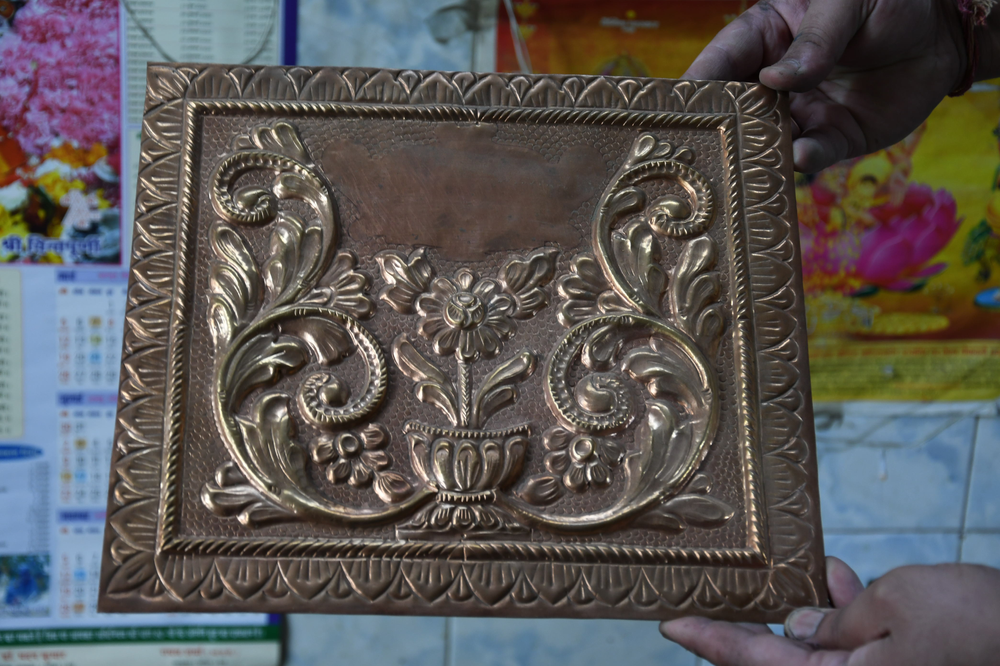
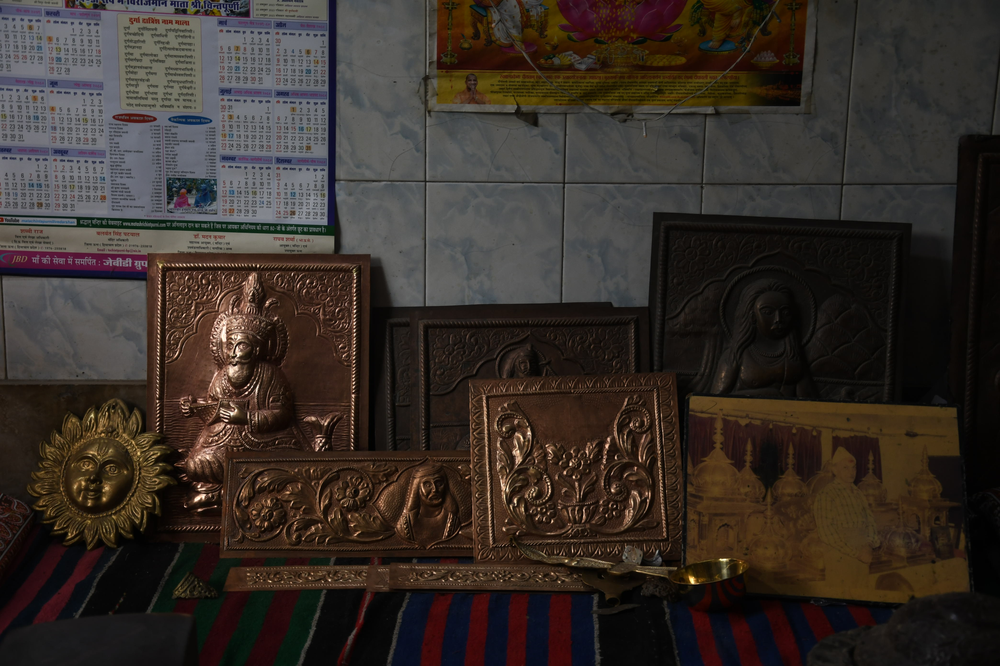
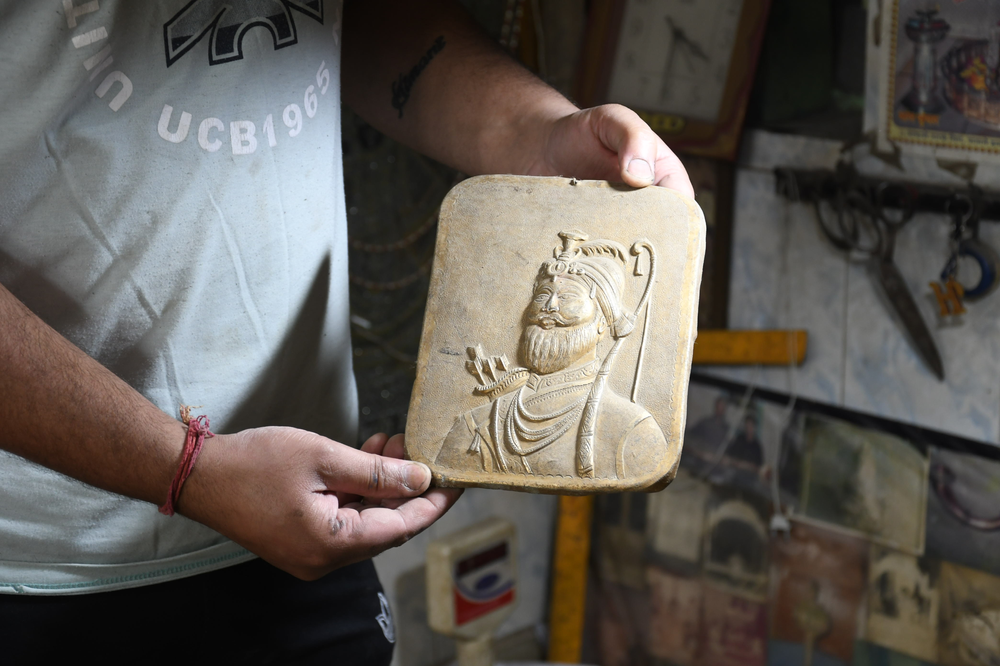
Apart from metal wares of utility catering to the needs of general public, repousse (hammered into relief from the reverse side) work on brass and copper, boldly embossed in patterns of foliage as well as figures, was wrought by craftsmen from Amritsar. The craft was locally known as ubhar-da-kam or raised work, from ubhar i.e. swelling or raising. In this process the metal sheet, brass as well as copper, was hammered into relief from the reverse side. Great dexterity was required to bring out the required result. Outstanding specimens of this craft survive in the Golden Temple, Gurdwara Baba Atal, Shiva temple in Bazaar Bikanerian and in many other shrines in Amritsar. The worker engaged in this craft was called thathera, literally, ‘the beater’, and the best works were produced in Kucha Fakirkhana.
Most of the exterior upper portions of the walls of the Golden Temple are covered with repousse plaques, heavily gilded. The raised decorations are mainly floral, but there are some panels representing the human figure. On the front side, for instance, are two embossed panels, the lower representing Guru Nanak Dev flanked by Bala and Mardana seated under a tree, and the upper representing Guru Gobind Singh on horseback.
Also embossed in gold are several inscriptions in Gurmukhi mostly based on sacred compositions of the Sikh Gurus. Maharaja Ranjit Singh, who repaired the principal building in 1802 A.D, commemorated this act by an inscription over the entrance to the central shrine, which reads: The Guru in his wisdom looked upon Maharaja Ranjit Singh as his chief servitor and Sikh, and, in his benevolence, bestowed on him the privilege of serving the temple.
The decline in this craft started when devotees were permitted to present contributions to religious edifices in the form of marble slabs. Soon the demand for repousse plaques diminished, making it nearly a lost craft.
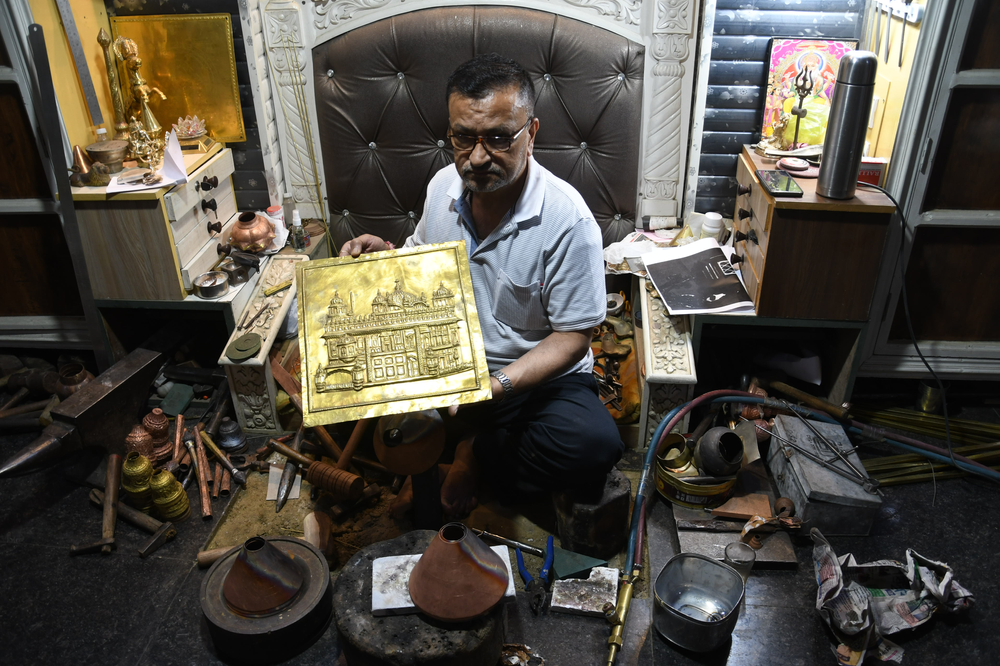
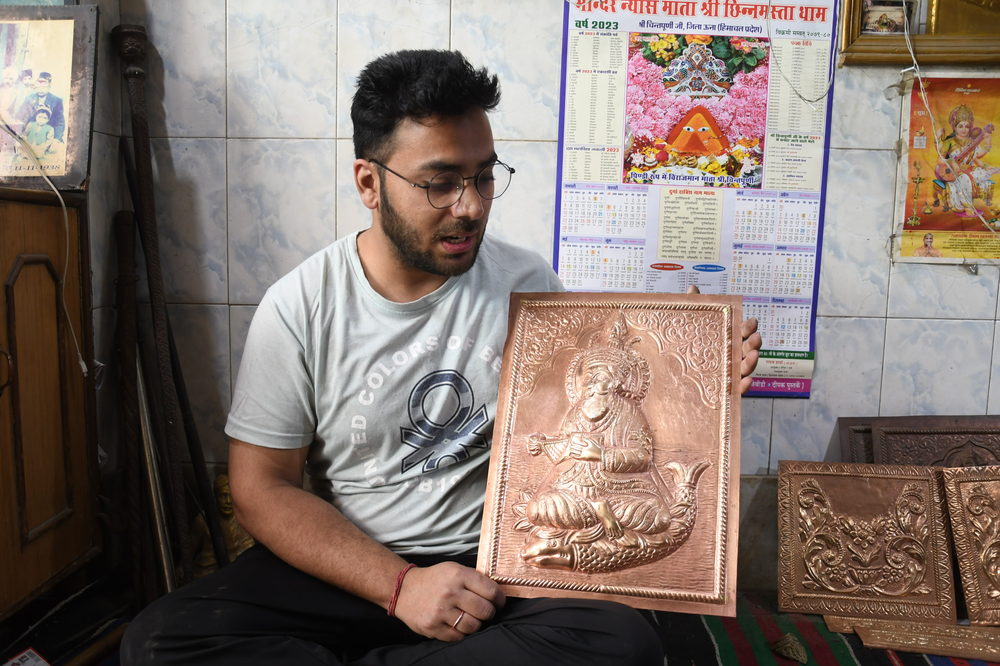
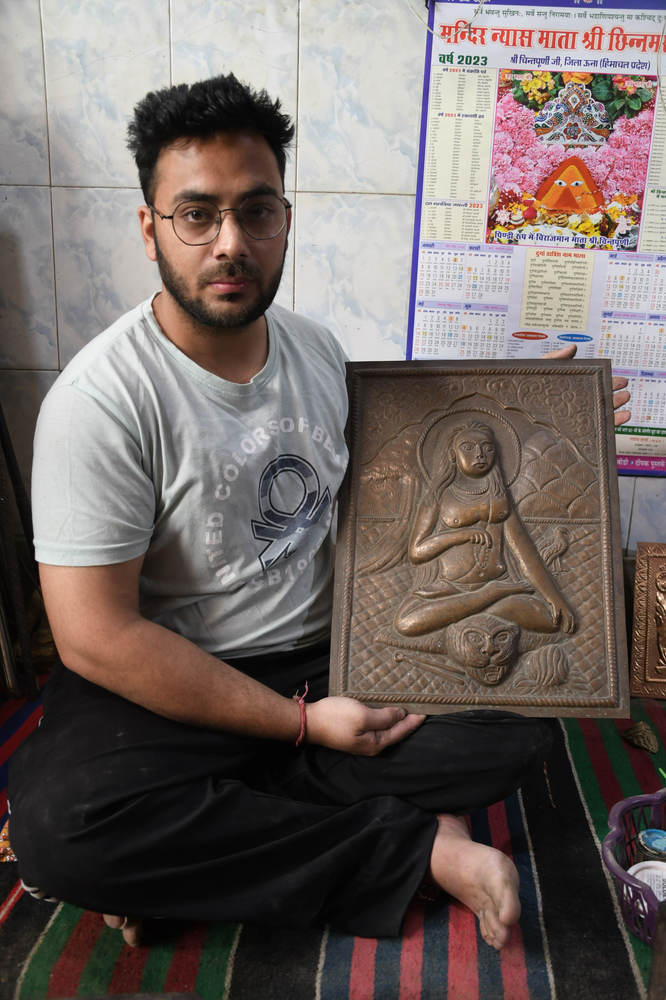
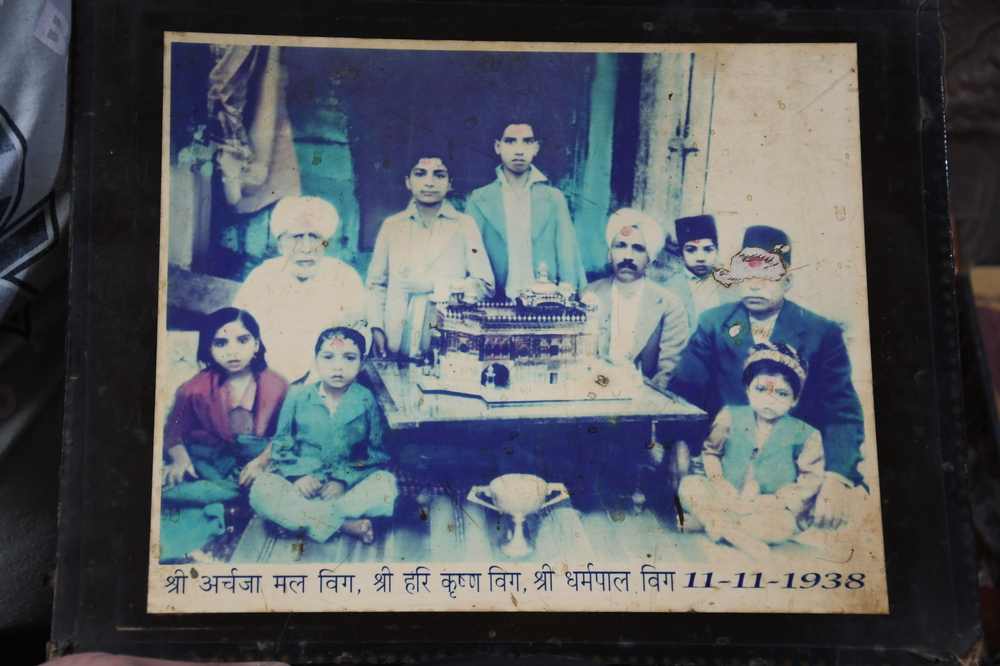
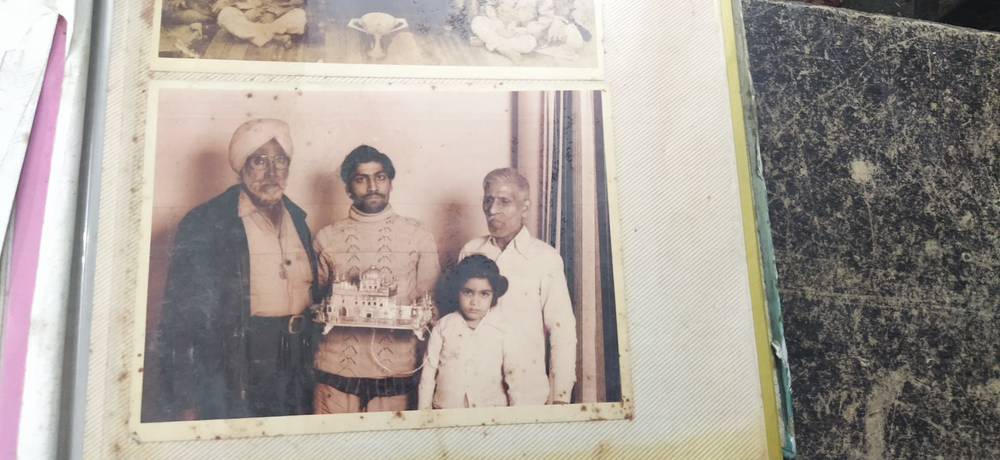
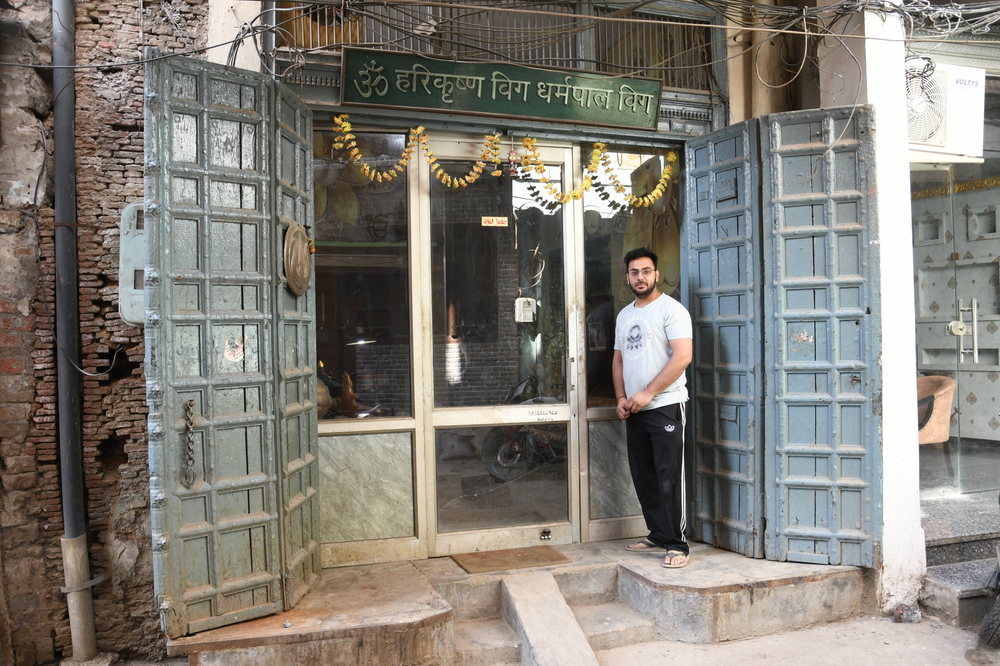
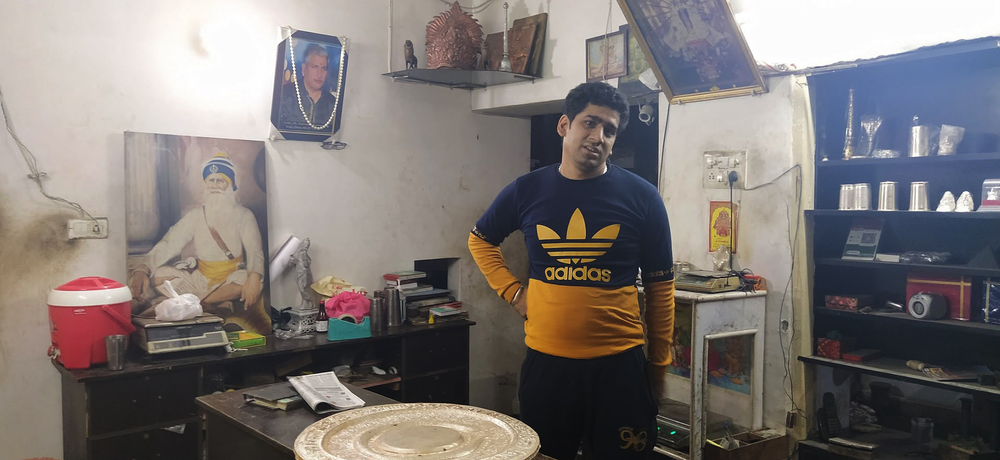
The Vig family of Amritsar has been in this craft for 11 generations. Rahul Vig has known at least 5 generations before him, who were involved in metal embossing. He learnt it from his father Raj Kumar Vig and grandfather Dharampal Vig. His forefathers were part of the team that did the metal embossing work on the Darbar Sahib during Maharaja Ranjit Singh’s time. The family was always part of the recent restoration team which had craftsmen from various parts of India.
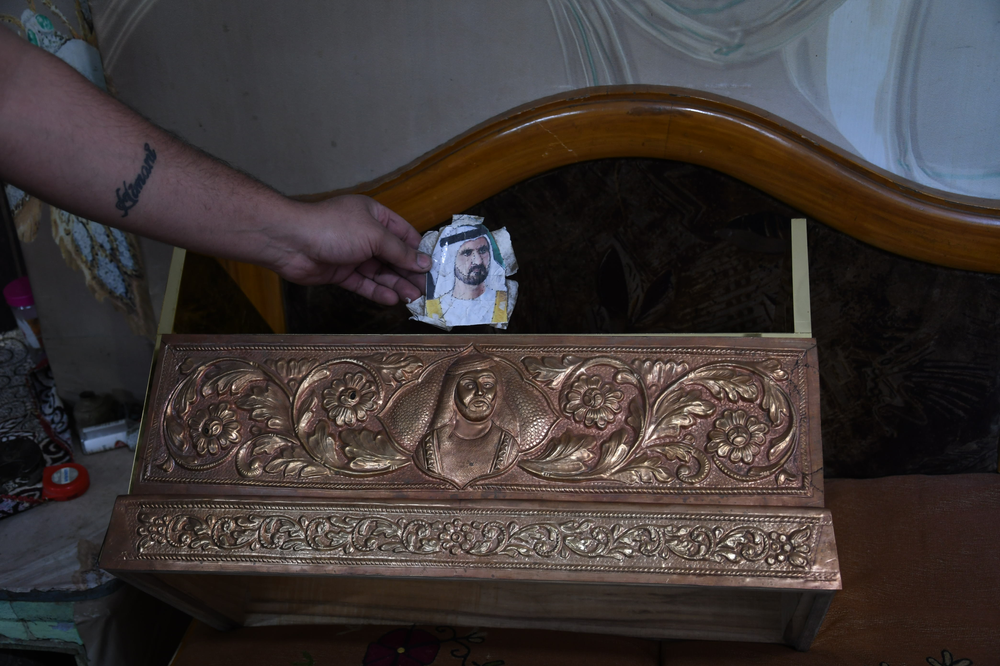
Besides metal embossing work in the Gurdwaras, they also do similar work, with varied themes for temples, shrines and even use in houses, which people order for their mandirs, decoration or gifting. Many send images/ photos on mobile or prints which are reproduced as relief work on metal sheets. The work is done on copper sheets which are then gold or silver plated. Rahul and his team has just finished work on an embossed gift, on order, for the UAE Royal family.
The family is also known to have made the silver model of the Darbar Sahib in 1938, for display in Lahore. A similar model (artist unknown) was presented to King George V, when Prince of Wales, during his tour of India in 1905-06. This was made of Gilt metal and ivory on wood base veneered with ivory.
The workshop, located in Kucha Paqir Khann, Bazar Kaserian, old Amritsar, gets many visitors who come to see the process, especially foreign tourists with their guides.
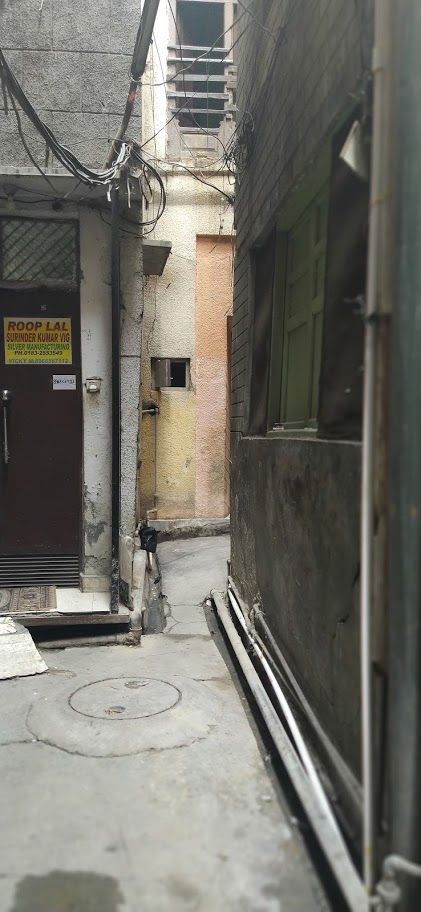
Rahul’s grandfather’s cousins who had completed higher degrees in education never took up this craft. At present there are five families (his uncles and cousins) involved in this craft. One workshop is of Roop Lal/ Surinder Kumar Vig, located at the end of a very narrow lane in the old city of Amritsar. He is not sure if the future generations will be keen on this very laborious work that takes hours and days to complete.
#metalcraft #metalembossing #amritsar