
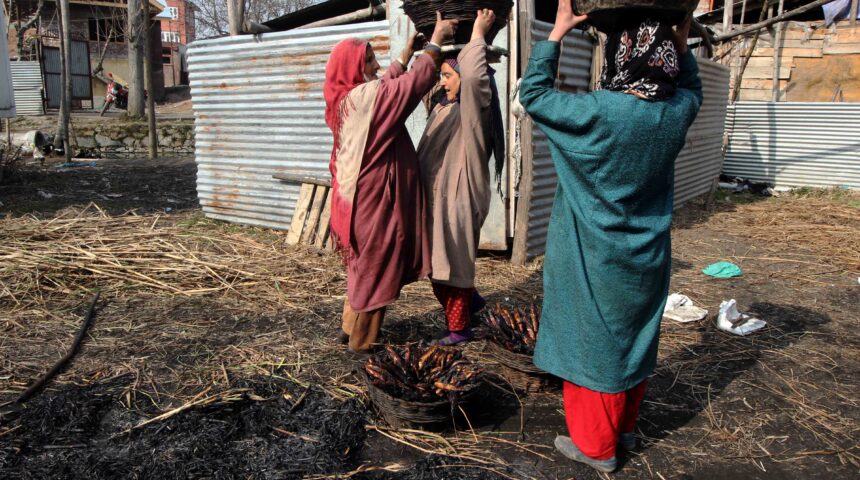
The smoked fish delicacy from Kashmir, is getting rarer with each winter. When autumn ends and winter begins, stacks of dry grass start piling up in Soura, Srinagar, along the Anchar lake. Soura, a locality of Srinagar is located at the edge of Anchar lake. Soura is famous for Sher-i-Kashmir Institute of Medical Sciences, a multi-specialty hospital, it is also the deemed medical university of Kashmir valley. Fish is smoked for preservation and is called Phae’ir (plural Phae’rei/ Fae’rie). The local lake fish is first sun dried on dried grass for a few hours till the water is drained and...
Blog
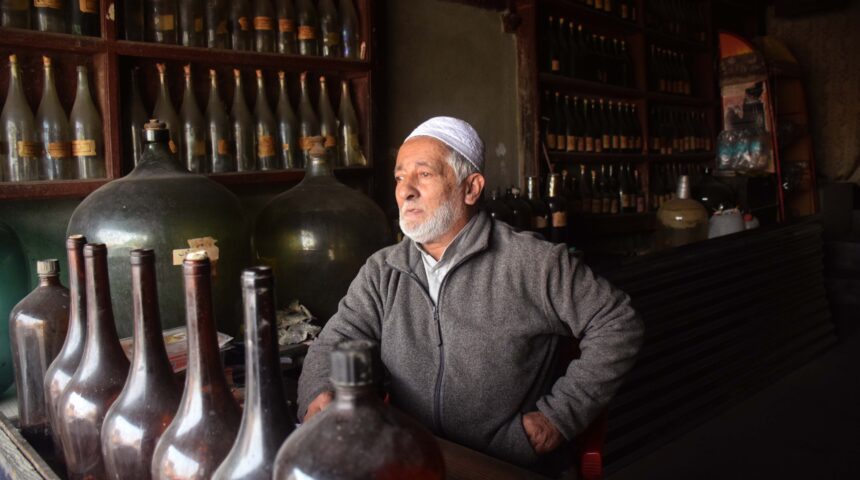
Photo Essay: Arq-i-Gulab Waan
Srinagar’s ‘Arq-i-Gulab Waan’, the last surviving rose water distillery in Kashmir, is located near Khanqah-e-Moula in Downtown. The 102-year-old shop is owned by the 66-year-old Abdul Aziz Kozgar. A man of few words, Kozgar’s rose water distillation process is a closely guarded family secret of nearly 500 years. Kozgar’s shop was opened around 1820 by his grandfather Habibullah Kozgar after he imported jars, decanters and other things from France and the UK to open a business in Srinagar. His family arrived in the Kashmir Valley from Turkey around 500 years ago. The Kozgars were experts in Unani medicine and Aziz...
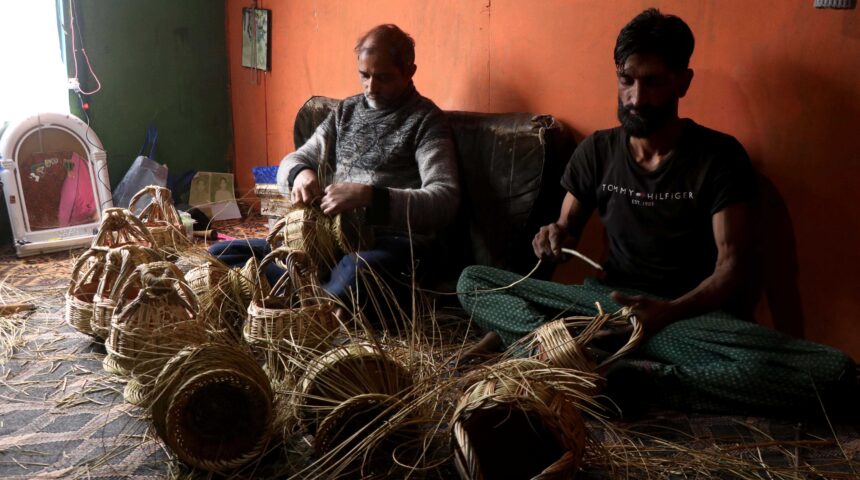
Photo Essay: Kangri – the warmth of Kashmir
A kangri (kanger in Kashmiri) is an indigenous earthen pot woven around with wicker filled with hot embers used by Kashmiris beneath their traditional clothing pheran to keep the chill at bay. It is a portable heater, normally kept inside the Pheran, or inside a blanket or just to keep hands warm. It is mostly used in the cold nights of Chillai Kalan – the peak winter months. After the earthen pots (kundal) are moulded and fired, the artisans complete the wickerwork around them, by erecting two arms to handle the pot, propping the back side with strong wicker sticks,...
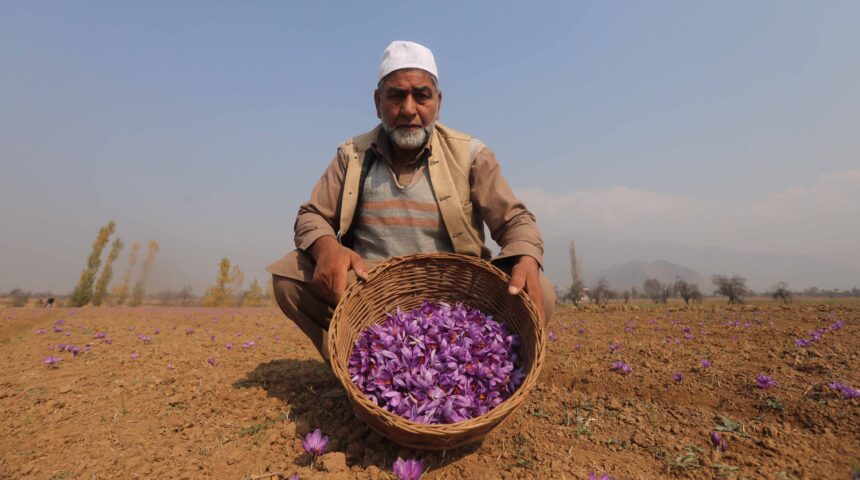
Photo Essay: Saffron Harvest in kashmir
With more than 20,000 households engaged in saffron farming, Pampore, a tiny town 14 kilometres from Srinagar, is referred to as the ‘saffron capital of India’. The saffron grown in the area is of the highest quality and sells for up to Rs 250,000 per kilogram, for which approximately 150,000 flowers are required. Grown in Kashmir at an altitude of over 1,600 meters, saffron is tightly woven into the local economy, with more than 20,000 families engaged in related businesses, mostly in the districts of Pulwama, Srinagar and Budgam. The prized spice is extracted as threads from the stigma and...
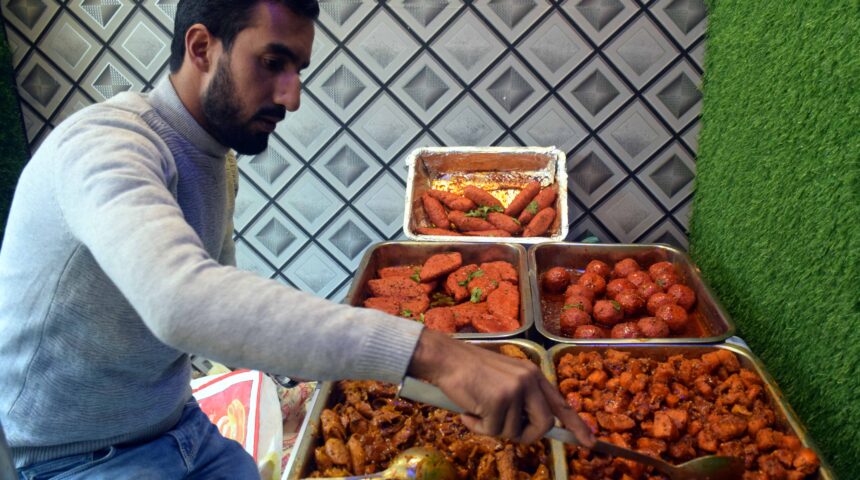
Photo Essay: Kashmiri Wazwan Pickles
26-year old Basit Ahmad is the 6th generation of Shaitan Wazas, the well known wazas (chefs) of the valley who have been making wazwan since the last few centuries in the valley. The shop Wazwan Ziyafat located in Fateh Kadal area of old city/downtown is famous for making varieties of pickles – both non-veg and veg. Apart from being a renowned waza, Basit alias Basu, is famous in the valley for making wazwan pickle which includes kebab, rista, chicken, and lahabi kabab, and carrot chicken pickles.
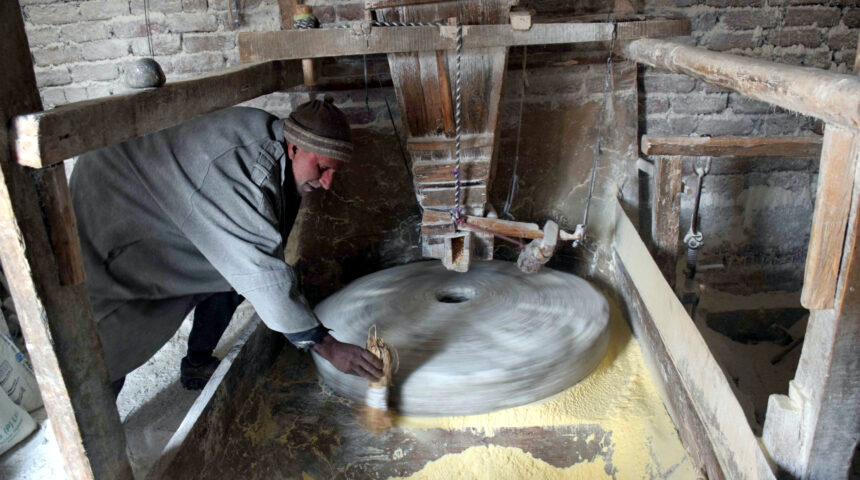
Photo Essay: Water Flour Mill- Aab-e-Gratte
Water flour mill locally known as Aab-e-Gratte is a centuries old traditional wheat and maize grinding mechanism of Jammu & Kashmir. It is also found in Punjab and Himachal, known as atta chaki or gharat/ghraat, some nearly 600 years old. The grains are placed inside the chimney shaped vessel which has an adjustable cut at the bottom, which is adjusted as per the requirement. The grains then slowly fall on the stone wheel (ghrate) which crushes it.nCentral Kashmir’s Budgam district keeps the age old custom of flour, wheat and rice grinding alive as five wet grinders are fully functional in...
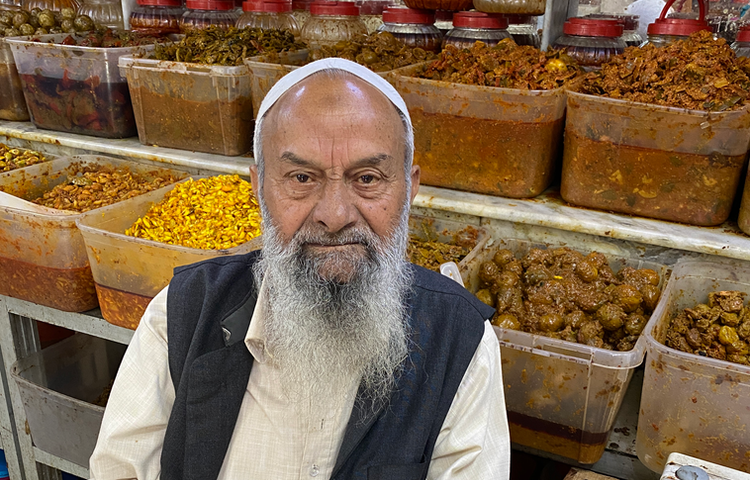
Photo Essay: Pickle King of Kashmir
Ghulam Qadir Seeno, a man in his late seventies, has earned himself the title of ‘Pickle King of Kashmir’. ‘Senoo Kashmiri Pickles’ in Habba Kadal area of Srinagar specializes in preparing more than 100 different varieties of pickles. There are several varieties of pickles made from apricot, amla (gooseberry), garlic, lemons, haak, mutton, chicken and fish. There are pickles of natural products like mango, cherry and seeds like carom (ajwain) available in his shop. Seeno was a transporter and had five trucks that used to transport goods across India. He used to drive one of the trucks but he lost...
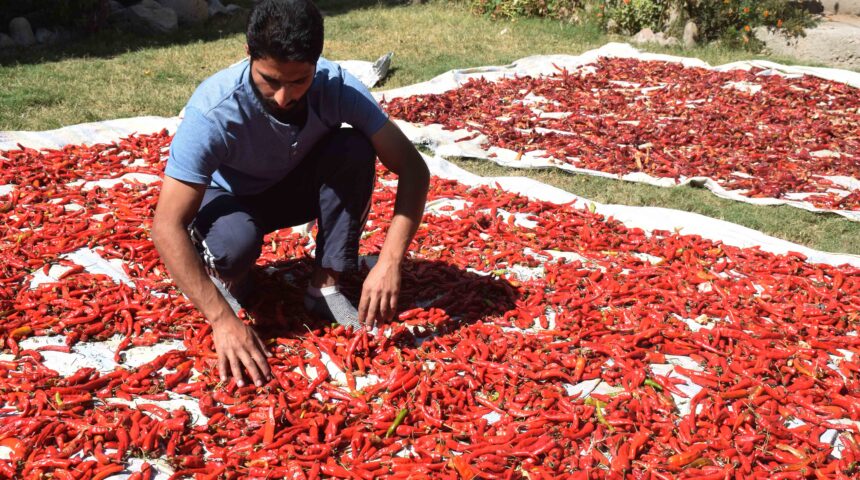
Photo Essay: Harvesting, drying of Red Chillies in Kashmir.
Koshur lal mirch or Kashmiri red chillies are characterized by their ability to give a dark red colour to food, capable of colouring and adding flavour, while at the same time not allowing the food to become too pungent or spicy. Its one of the main ingredients, along with other spices, to make the masala tikki (ver), which is used in most dishes, for dry green vegetables, dals and curries like Rajma or Rogan Josh or fish curry.
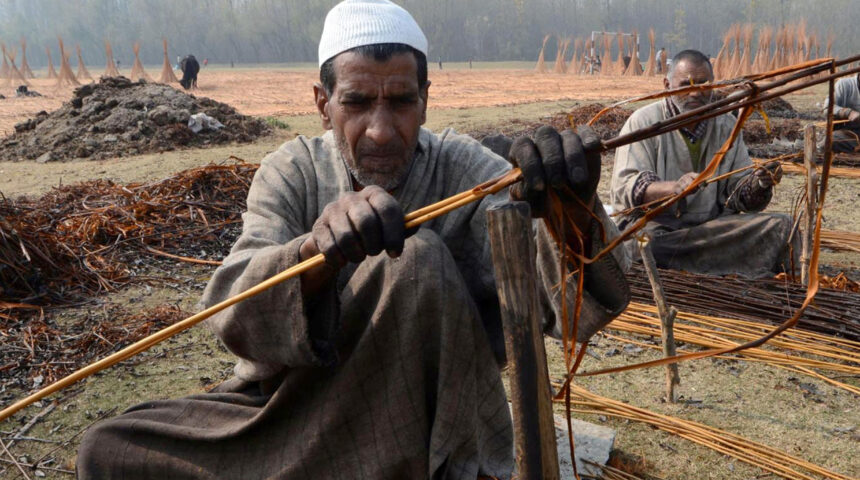
Photo Essay: Preparation of Wicker Sticks for Kangri
Wicker is used for making traditional baskets for fire pots called Kanger/ Kangri in Kashmir. Kashmiris use these traditional fire pots to keep themselves warm during the severe winter months of chillai kalan. Also used for making baskets and furniture. Seen here are workers peeling off the bark from the wicker twigs in Shalbugh village of Ganderbal in central Kashmir.
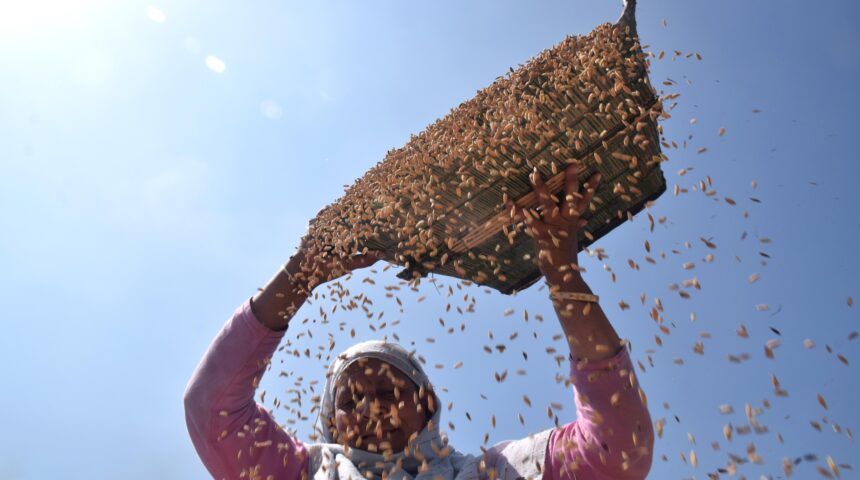
Photo Essay: Paddy harvesting in Kashmir
Rice cultivation is an integral part of the rich cultural heritage of the valley of Kashmir. With thousands of tonnes of rice produced annually in the region, Autumn season marks the paddy harvesting period in Kashmir. It is sown in the month of June and is harvested in September-October.
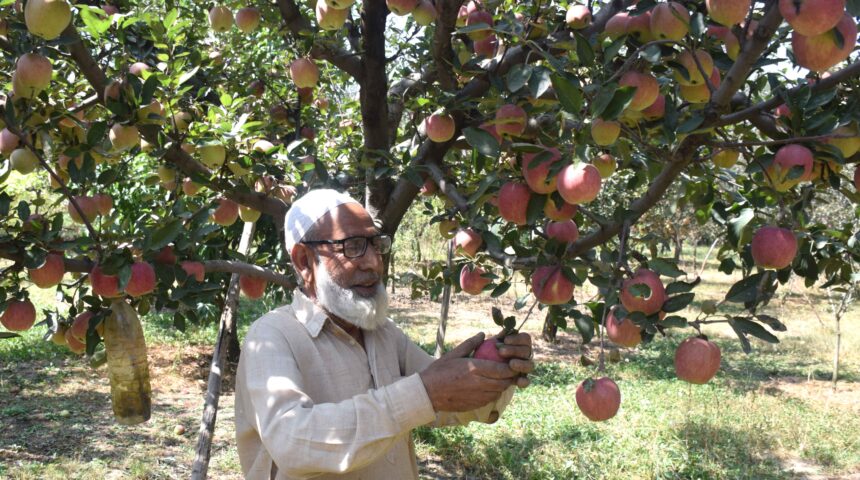
Photo essay: Apple Harvesting in Kashmir
Apple harvesting season has begun in Kashmir. Apple harvesting season in full swing in Kashmir Valley. Districts like Shopian, Anantnag, Barmulla and Ganderbal are known for producing good apples. Apple, being the main fruit crop, generates employment at a large scale in the Valley.
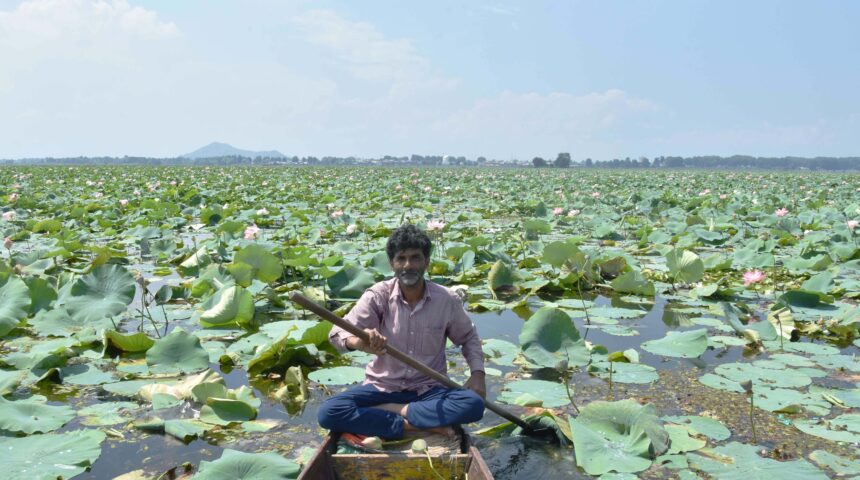
Photo Essay: Lotus in full bloom in Dal Lake
Lotus is a herbaceous perennial aquatic plant which belongs to the Nelumbonaceae family. Lotus stem, locally known as Nadru in Kashmir and Kamal Kakdi in India, is one of the novelties of Kashmir valley. It grows in shallow parts of water bodies like Dal Lake, Wular Lake, Mansar Lake, and ponds. The lotus stem, although an expensive delicacy, is much loved in Kashmir and is used in many Kashmiri dishes. In most of the Asian countries, almost every part of this plant is consumed, but here in the valley, only the stem and its seed are in demand. #dallake #srinagar...